Commercial Solar Panels: Go Green and Save Money
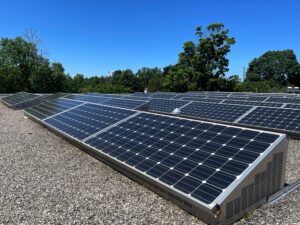
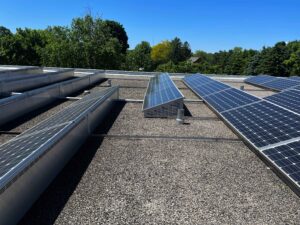
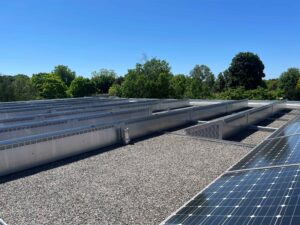
Commercial solar panel installation involves designing, installing, and maintaining solar energy systems on commercial buildings, such as offices, warehouses, retail stores, and industrial facilities. These systems harness the sun’s energy to generate electricity, reducing reliance on traditional power sources and lowering operational costs.
Commercial solar energy offers a compelling solution in today’s environmentally conscious and cost-driven business landscape. By embracing solar power, businesses can significantly reduce their carbon footprint, enhance their brand reputation, and achieve long-term financial savings.
Some of the benefits of commercial solar installation are including:
Reduced energy costs
Environmental impact and eco-friendly
Increased property value
Energy independence
Government incentives
Elevate Your Business with Electrical Solutions
Integrating solar solutions reduces operational costs and contributes to a sustainable future. Solar panels provide a reliable source of clean energy, helping your business decrease its carbon footprint and enhance its environmental credentials. Key benefits include significant cost savings, reduced dependence on the grid, increased property value, enhanced brand image, and eligibility for government incentives. At INTOCHARGE, we offer tailored solar solutions to meet your specific needs, guiding you through every step from consultation and design to installation and maintenance, ensuring a seamless transition to solar energy.
Trust – Deliver by Choice NOT by Chance


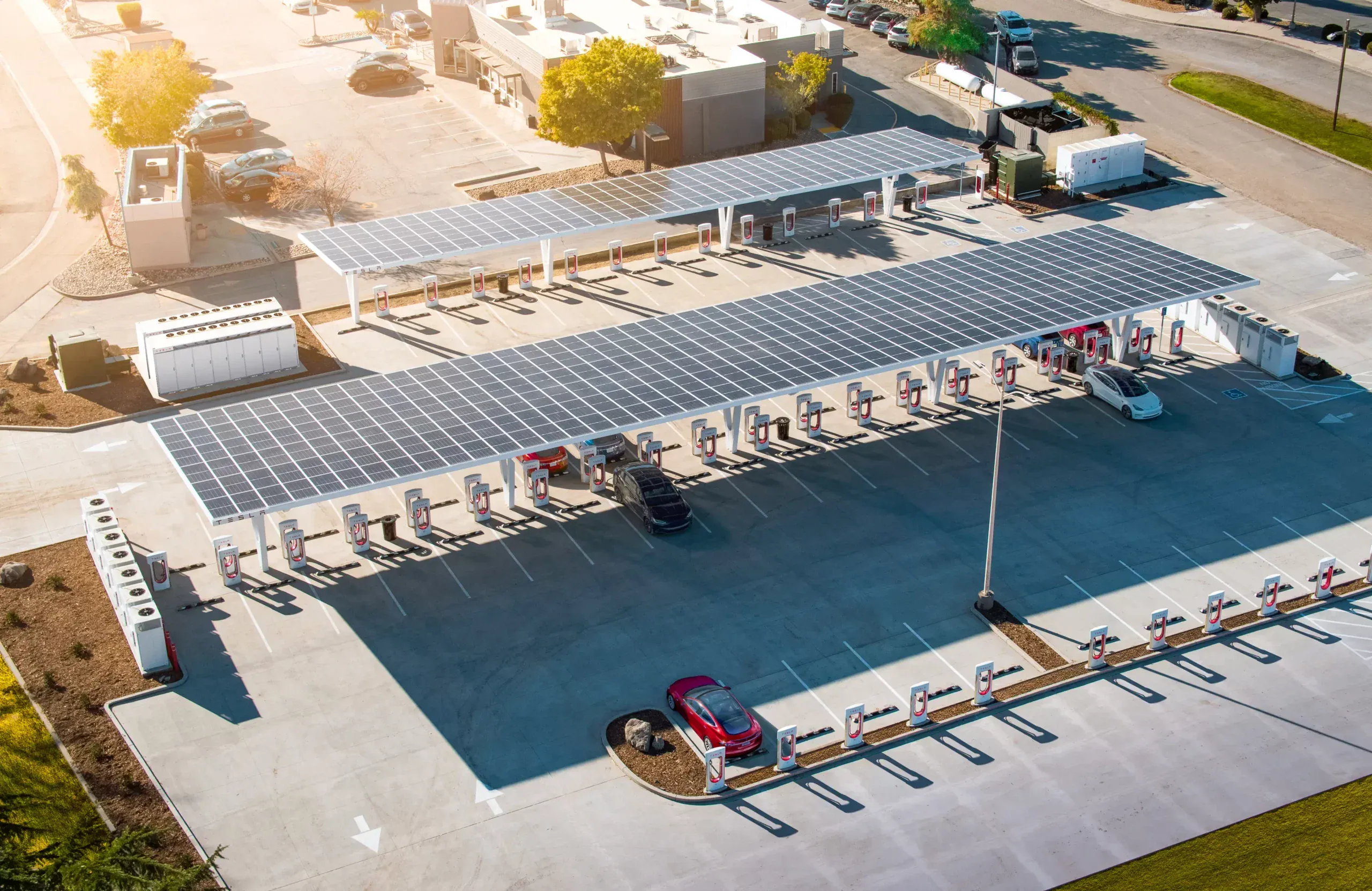
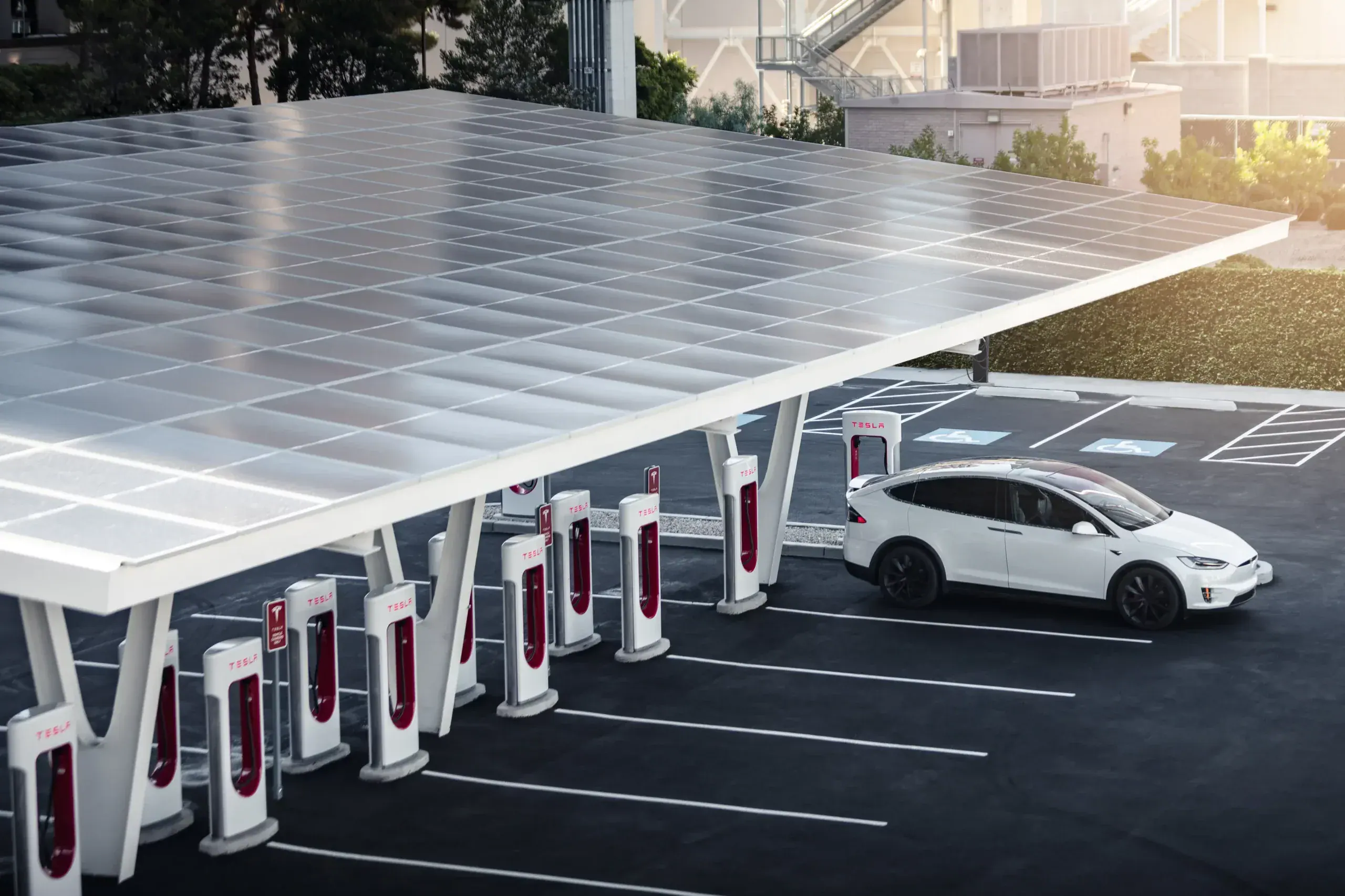
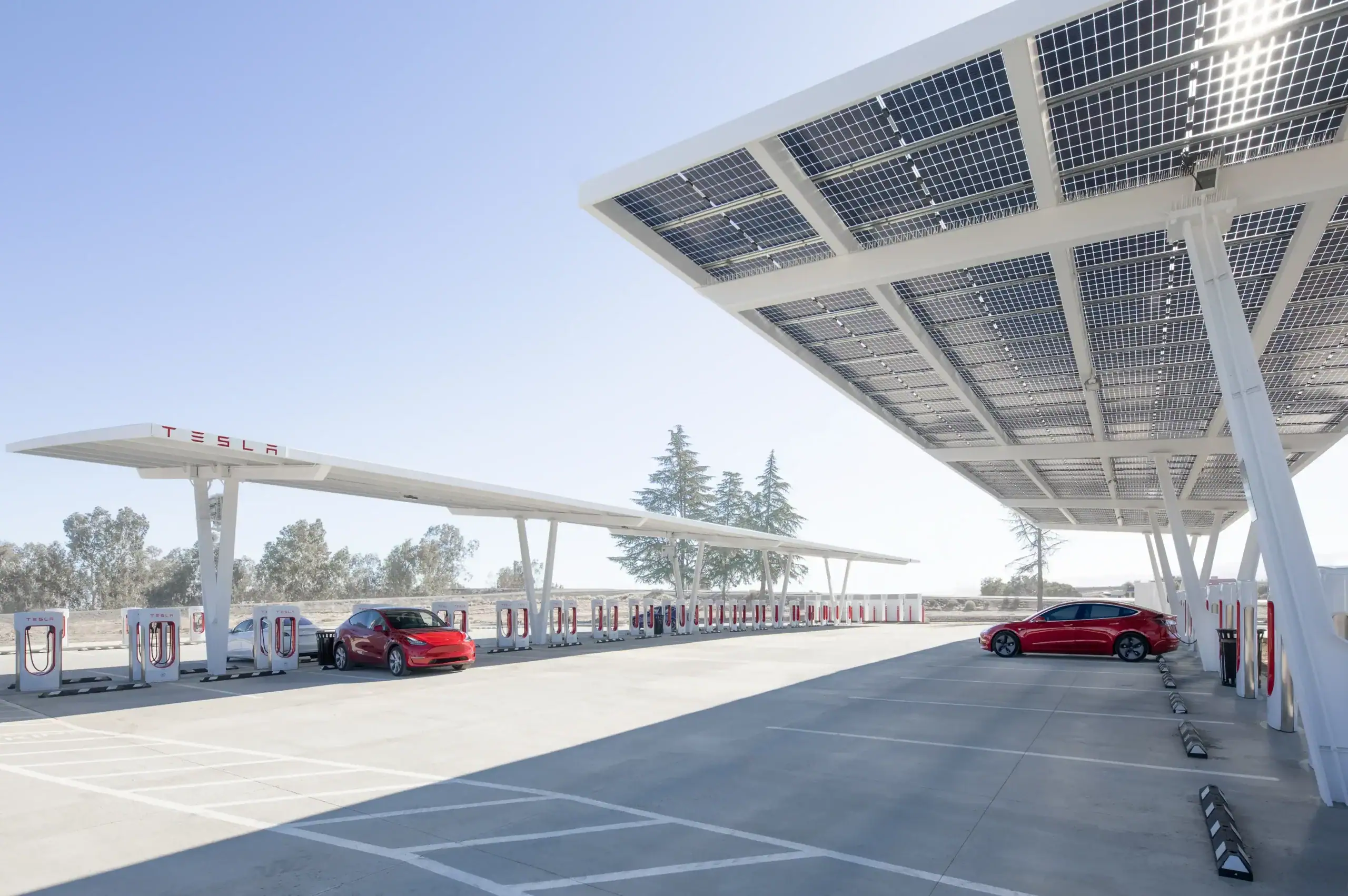
Transform Your Parking Space with Solar-Powered Carports
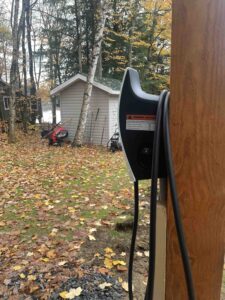
Embracing the future of transportation means ensuring we have the infrastructure to support it. At INTOCHARGE, we recognize the rapid transition to electric vehicles (EVs) and the crucial need for accessible and efficient charging solutions. Our expertise in EV charging station installation seamlessly integrates cutting edge technology with everyday life, ensuring you’re always powered up and ready to go. Whether you’re a homeowner eyeing a single EV charger or a business looking to offer charging solutions to customers, our comprehensive guide below will walk you through the installation process, ensuring you make informed decisions every step of the way.
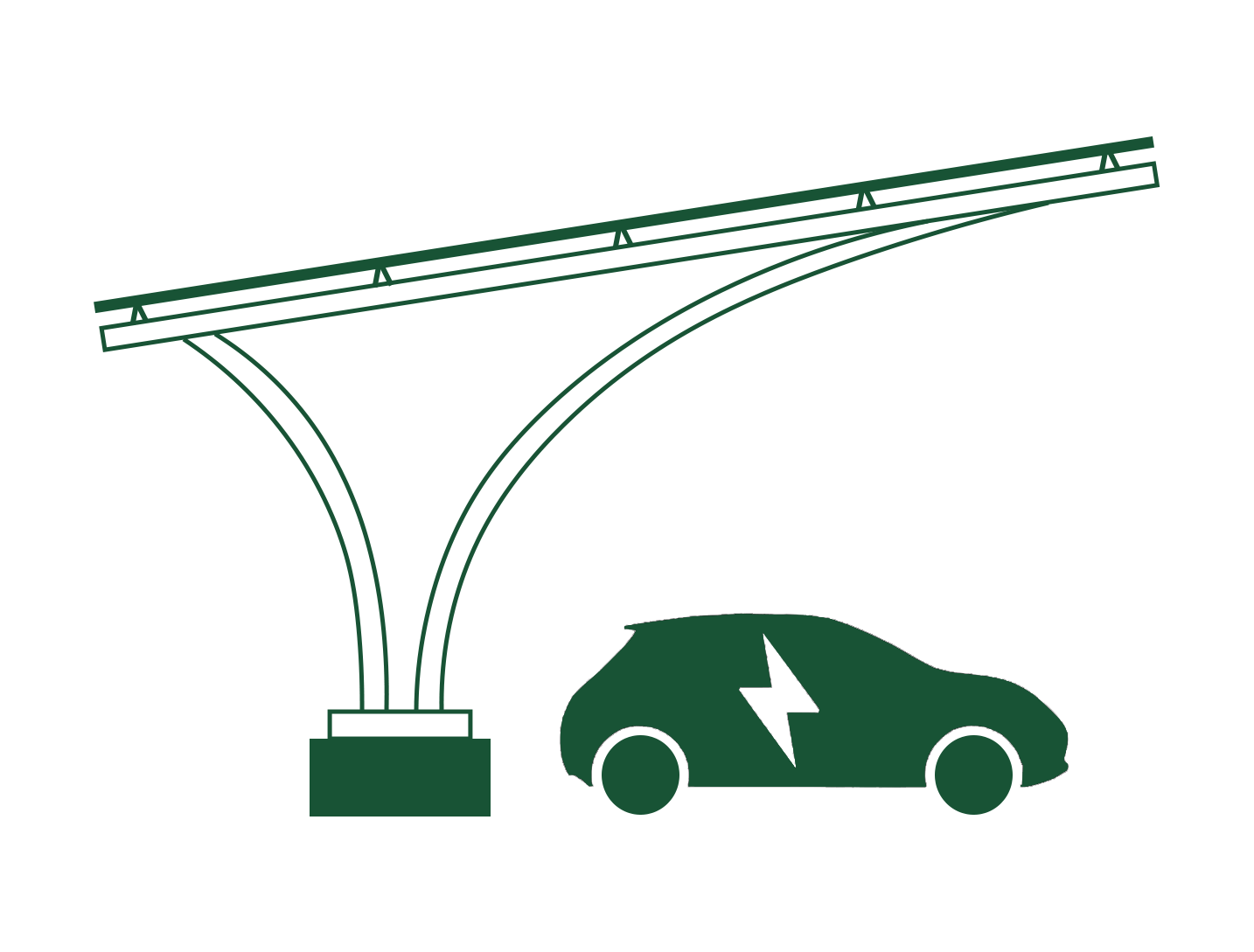
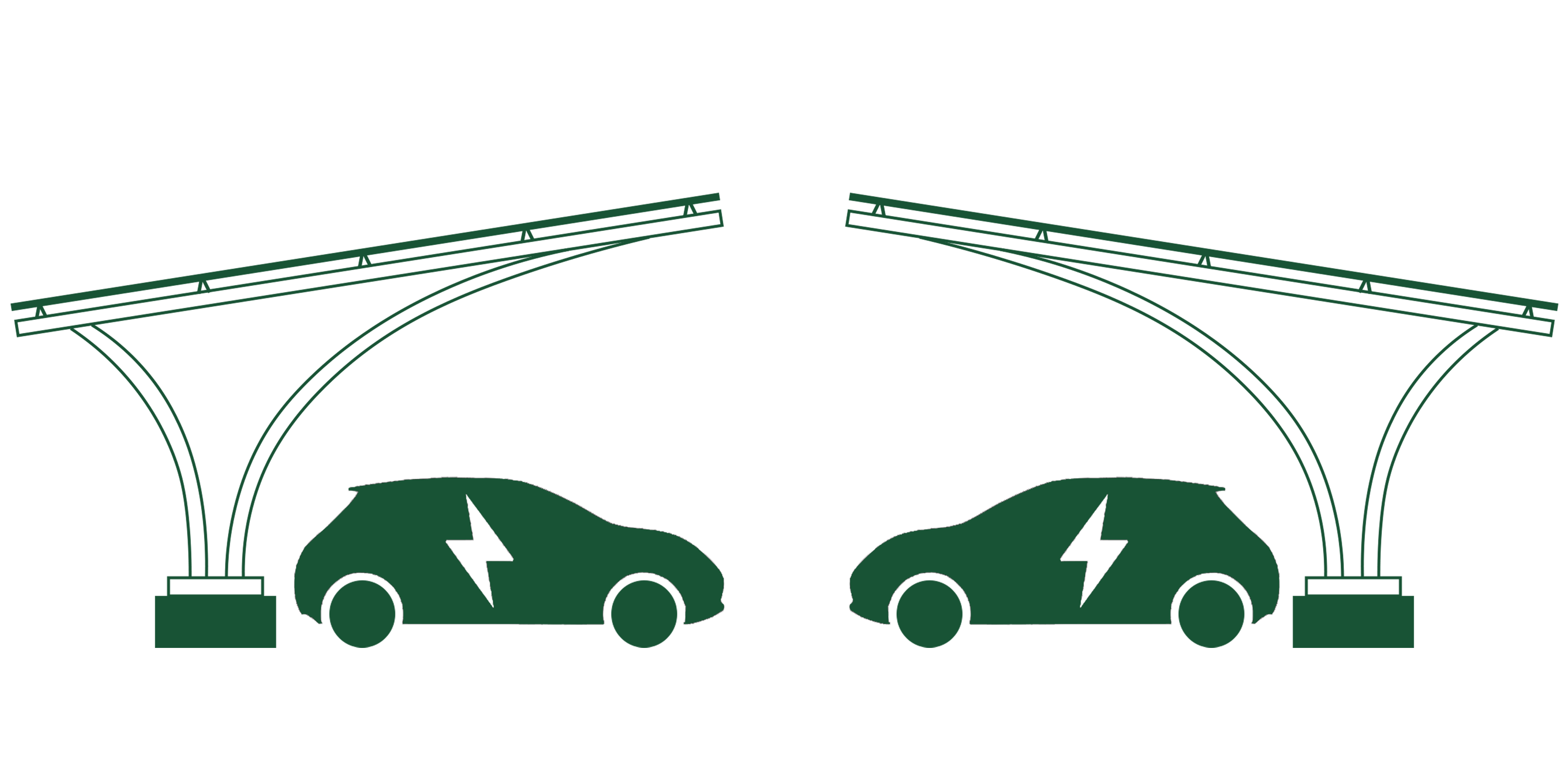
Most Popular Configurations
Configuration #1
Configuration #2
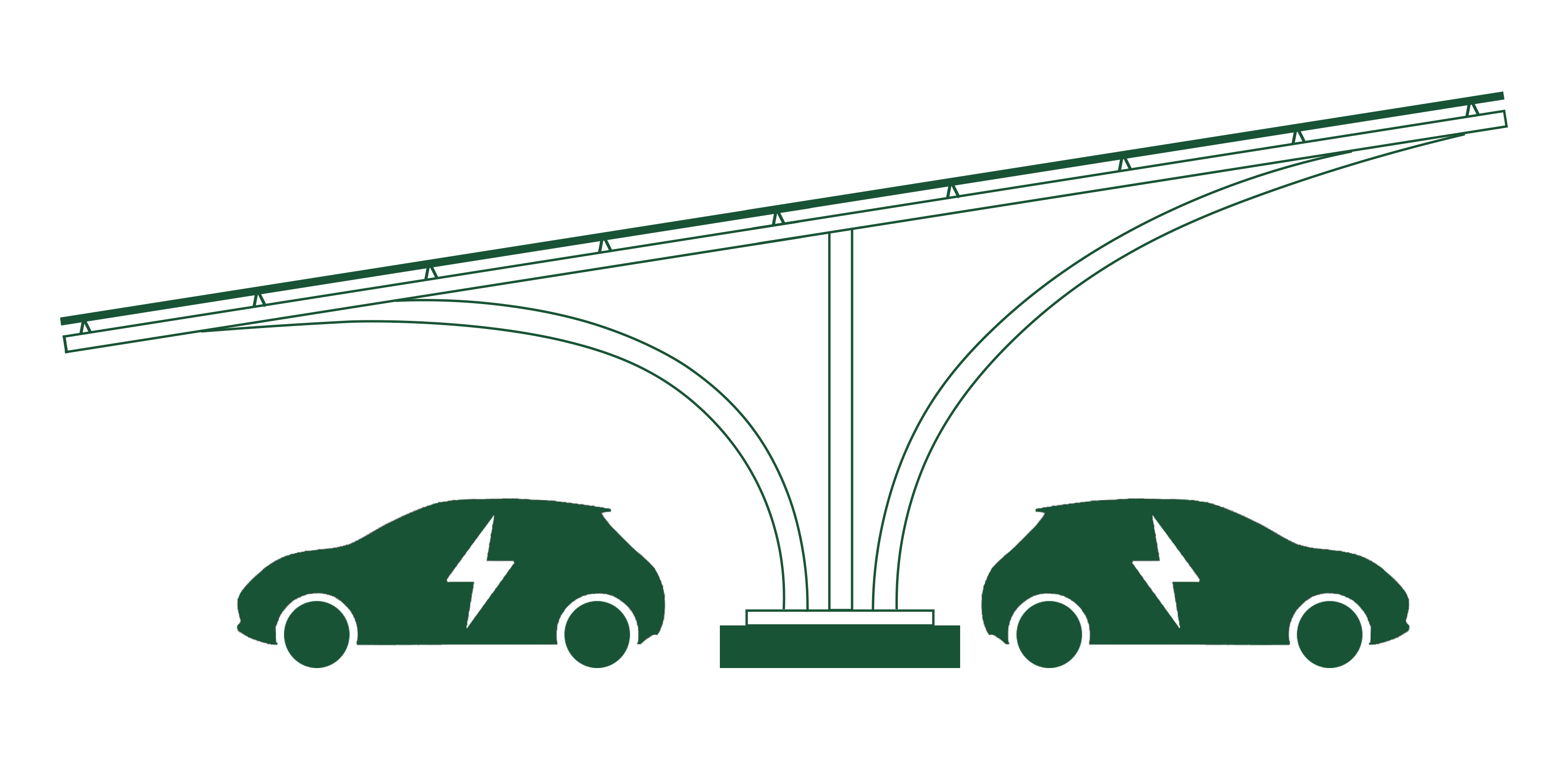
Configuration #3
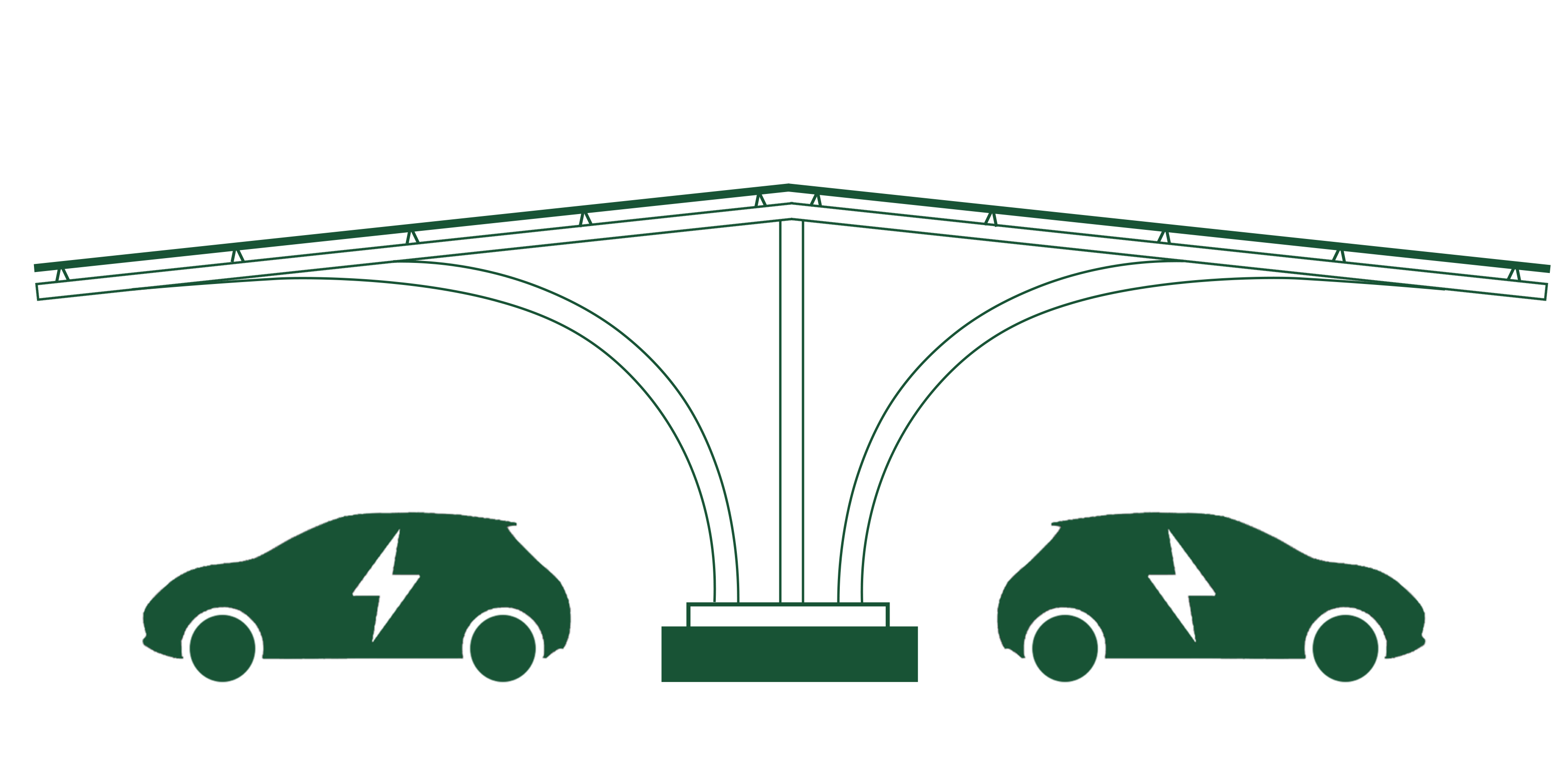
Configuration #4

Configuration #5
Advantage of Solar-Powered Carports
Weather Adaptability
The carports are designed to withstand various weather conditions, including snow, rain, hail and ice. They are built to endure extreme low temperatures, ensuring reliability regardless of climate.
EV Compatible
The solar powered carport system designed with EV compatibility, ensuring adaptability to future infrastructure needs. This intentional design enables easy scalability for EV charging stations, ensuring readiness for future changes in transportation technology.
Enhanced Property Value
Installing a solar carport can increase property value by adding a functional and eco-friendly feature that appeals to environmentally-conscious buyers and tenants.
Material
The solar panel frames in carports are constructed with durable and maintenance-free materials such as aluminum and stainless steel. Their modular design allows for easy assembly and ensures corrosion resistivity, full recyclability and longevity.
Tax and Incentive Benefits
In many regions, solar installations qualify for tax incentives, rebates, and grants, making solar carports a financially attractive investment.
UV Protection and Weather Shelter
The solar powered carport designs offer shade from Ultraviolet (UV) rays, preserving the parking surface and extending the lifespan of vehicles by shielding them from sun damage and inclement weather.
The carport can be designed with adjustable overhead clearance to accommodate vehicles of varying heights, tailored to meet specific site requirements.
Scalability
Solar carports can be customized for various locations and scales from residential properties to large commercial parking lots, making them highly versatile.
Energy Independence
By generating on-site power, solar carports provide energy resilience, reducing dependence on the grid and offering backup power options when combined with battery storage.
Sustainable Energy Generation
Solar-powered carports harness renewable solar energy, providing an eco-friendly alternative to traditional energy sources. By generating clean electricity, they contribute to reducing carbon emissions and promoting environmental sustainability. This dual functionality of providing shelter while generating power aligns with green initiatives and demonstrates a commitment to sustainable practices.
Industries We Serve
Every business has unique energy requirements, operating hours, and long-term growth plans. That’s why our Commercial Solar Solutions are designed to meet the specific needs of different industries across Canada.
Whether you’re looking to reduce operating expenses, improve sustainability, or increase energy independence, our team develops customized Commercial Solar Installation plans that align with your facility and business objectives.
Our solutions are ideal for a wide range of industries, including:
- Manufacturing Facilities
- Warehouses & Distribution Centers
- Office Buildings
- Retail Stores & Shopping Centres
- Hotels & Hospitality
- Farms & Agricultural Operations
- Schools & Educational Institutions
- Healthcare Facilities
- Automotive Dealerships
- Industrial Plants
- Logistics & Transportation Hubs
- Multi-Unit Commercial Properties
From small businesses to large-scale Industrial Solar Installation projects, our experienced team delivers reliable energy solutions that support long-term operational efficiency.

Harness the Power of the Sun for Your Farm
Installing solar panels on your farm offers numerous advantages. They can help diversify your revenue streams and boost profitability by generating energy on-site. The shade from the panels can lower irrigation water requirements, enhance crop yields in hot or arid conditions and increase resilience to extreme weather such as droughts. Furthermore, the shaded areas under the panels can support the growth of high-value crops that aren’t typically viable in your local market like lettuces in desert regions, opening up additional revenue opportunities.
Other Projects We Support
Residential
Single | Multi
Residential
High-rise
Comercial
Project
Healthcare
Project
Industrial
Project
Tailored Solar Solution
On-Grid
Net Metering Solar
Our grid-tied systems encompass everything needed for a code-compliant installation, from equipment selection to permitting and operation ensuring swift and successful completion. With a grid-tied system, you can trade excess power generation for credits on future power bills. Since there’s no need to budget for batteries, this approach is the most economical and popular way to go solar.
On-Grid + Battery
Net Metering + Storage
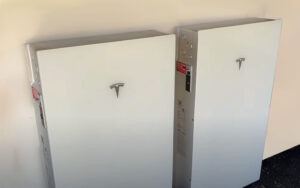
Integrate a battery into your grid-tied solar installation to enhance your home’s resilience during power outages. This system can be tailored to back up essential loads or even the entire home. Additionally, it can incorporate your existing generator, providing a robust double-backup solution.
Off-Grid
Self-Reliant System
Our off-grid solutions empower your home to be self-sufficient. We collaborate closely to tailor the system to your specific power needs, offering complete customization in storage, power generation and output. Whether for a small cabin or a full-scale workshop, we have the right-sized solution for you.
Understanding Commercial Solar ROI
For many business owners, the most important question is not whether solar works, but whether it makes financial sense.
A professionally designed Commercial Solar Canada project is a long-term investment that can significantly reduce electricity costs while improving the financial performance of your property. The exact return on investment (ROI) depends on several factors, including electricity consumption, utility rates, available incentives, system size, and operating hours.
Businesses with higher daytime electricity usage often experience greater financial benefits because solar energy offsets a larger portion of their utility costs during peak operating hours.
In addition to lowering monthly energy expenses, commercial solar systems may also provide:
- Long-term operating cost stability
- Reduced exposure to rising electricity prices
- Improved property value
- Stronger environmental credentials
- Support for corporate sustainability initiatives
Every business is different. A professional assessment helps determine the expected performance and long-term value of your Commercial Solar Installation based on your specific energy requirements.
Why INTOCHARGE?
⇒ Licensed Electrical Contractor from Electrical Safety Authority (ESA)
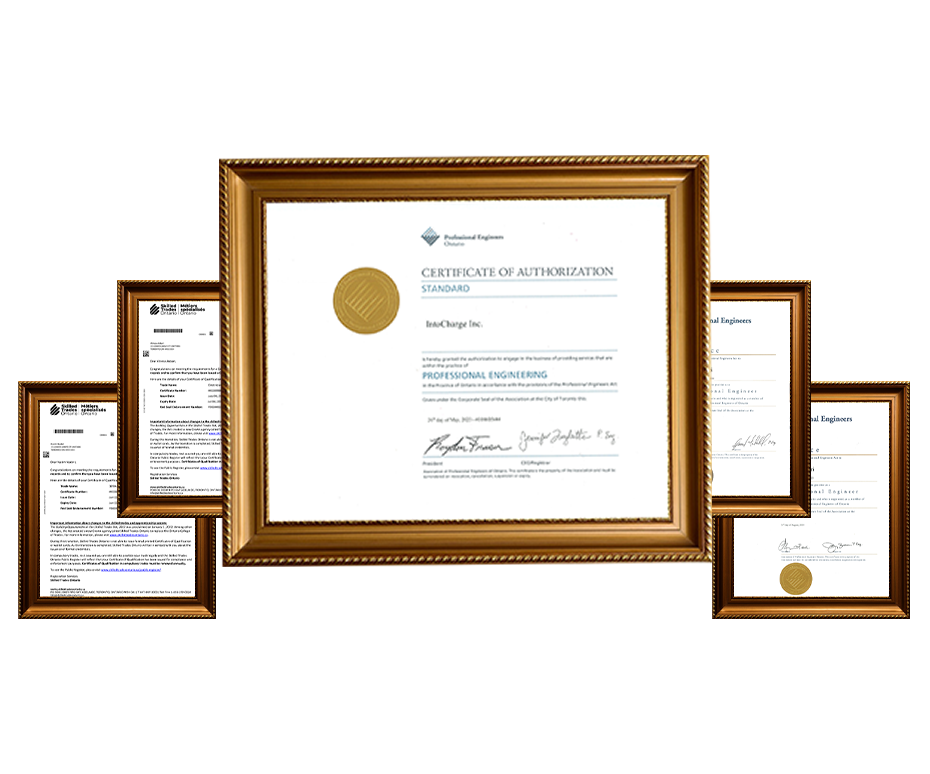
⇒ Certificate of Authorization (CofA) from Professional Engineers Ontario (PEO)
⇒ Certified Master Electrician
⇒ Certified Electrician Team
⇒ EVSE Supplier
⇒ Combined Over 100 Years of Experience in the Electrical Industry
Trusted by Major Brands





Services We Offer
Residential Solar Solutions
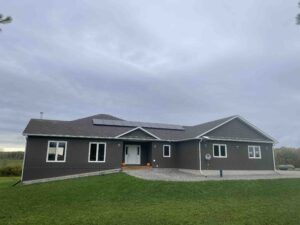
Let the Sun be the source and enhance your home energy saving with solar energy. Our residential solar solutions are designed to harness the power of the sun, providing sustainable and cost-effective energy for your household. We’ll estimate your upfront costs, savings, and financing options and will help you to make informed decisions.
Commercial Solar Projects
Our tailored solutions for small and medium-scale commercial ventures ensure efficiency, cost savings, and a positive environmental impact. We go beyond engineering and design to ensure you have a comprehensive understanding of the regulatory landscape.
Join the Solar Revolution Today
Embark on a journey towards a sustainable future with INTOCHARGE. Contact us today to explore how our engineering and consultation services can make your solar dreams a reality.
Benefits of Commercial Solar Installation
Some benefits of commercial solar installation are:
Reduced Energy Costs
One of the most significant advantages of commercial solar is the substantial reduction in energy costs. By harnessing the sun’s abundant energy, businesses can significantly lower their electricity bills, providing a stable and predictable energy source.
Energy Independence
By generating your electricity, you become less dependent on traditional power grids. This reduces your vulnerability to power outages and fluctuations in energy prices, ensuring a reliable and uninterrupted power supply and also sustainable energy for your business operations.
Increased Property Value
Studies have shown that properties equipped with solar energy systems often command higher market values. Potential buyers and tenants are increasingly attracted to energy-efficient buildings, making solar installations a valuable asset.
Environmental Impact
Commercial solar installation plays a crucial role in mitigating climate change. By reducing reliance on fossil fuels, these systems help decrease greenhouse gas emissions and improve air quality. Embracing solar power demonstrates your commitment to environmental sustainability and corporate social responsibility.
Government Incentives
The Canadian government recognizes the importance of renewable energy and offers various incentives to encourage the adoption of solar power. These incentives may include:
- Investment Tax Credits: These credits provide a tax reduction on the cost of your solar installation.
- Feed-in Tariffs: These programs allow you to sell excess electricity generated by your solar system back to the grid at a premium rate.
- Provincial and Municipal Incentives: Many provinces and municipalities offer additional incentives, such as rebates and grants, to support commercial solar projects.
Commercial Solar Across Canada
Businesses across Canada face different electricity prices, climate conditions, and provincial incentive programs. Because of these regional differences, every commercial solar system should be designed specifically for the property’s location and energy profile.
INTOCHARGE provides Commercial Solar Solutions for businesses across Canada, including:
- Ontario
- British Columbia
- Alberta
- Saskatchewan
- Manitoba
- Quebec
- New Brunswick
- Nova Scotia
- Prince Edward Island
- Newfoundland and Labrador
Our team considers local regulations, utility requirements, weather conditions, and available incentive programs to ensure every Commercial Solar Installation delivers reliable long-term performance.
Whether your business operates a single facility or multiple locations across Canada, we can help develop scalable solar solutions tailored to your operational needs.
Is Commercial Solar Right for Your Business?
Commercial solar is an excellent investment for many organizations, but every property should be evaluated individually.
Your business may be a strong candidate for Commercial Solar Panels if:
- Electricity costs continue to increase year after year.
- The property has a large rooftop or available parking area suitable for solar installation.
- Business operations primarily take place during daylight hours.
- Warehouses, manufacturing facilities, office buildings, or other commercial properties are part of your operations.
- Long-term occupancy or property ownership is part of your business plan.
- Sustainability and carbon reduction are important organizational goals.
- Future plans include installing EV charging stations for employees, customers, or fleet vehicles.
- Greater control over long-term energy and operating costs is a business priority.
A professional site assessment allows our team to evaluate your property, estimate energy production, and recommend the most suitable Commercial Solar Solutions for your business.
Installation Process
To use green energy and equip your commercial building with solar panels, the following steps must be followed:
- Site Assessment
The installation begins with a thorough site assessment to determine the optimal location for your solar panels. Our experienced team will evaluate factors such as roof orientation, shading, and structural integrity to maximize energy production.
- System Design
Based on the site assessment, we will design a customized solar energy system tailored to your specific needs and energy requirements. Our engineers will carefully select components, such as solar panels, photovoltaic system, inverters, and racking systems, to ensure optimal performance and energy efficiency.
- Permitting and Approvals
We will handle all necessary permitting and approval processes to comply with Canadian building codes and regulations. Our team will work closely with local authorities to obtain the required permits and ensure a smooth installation process.
- Installation
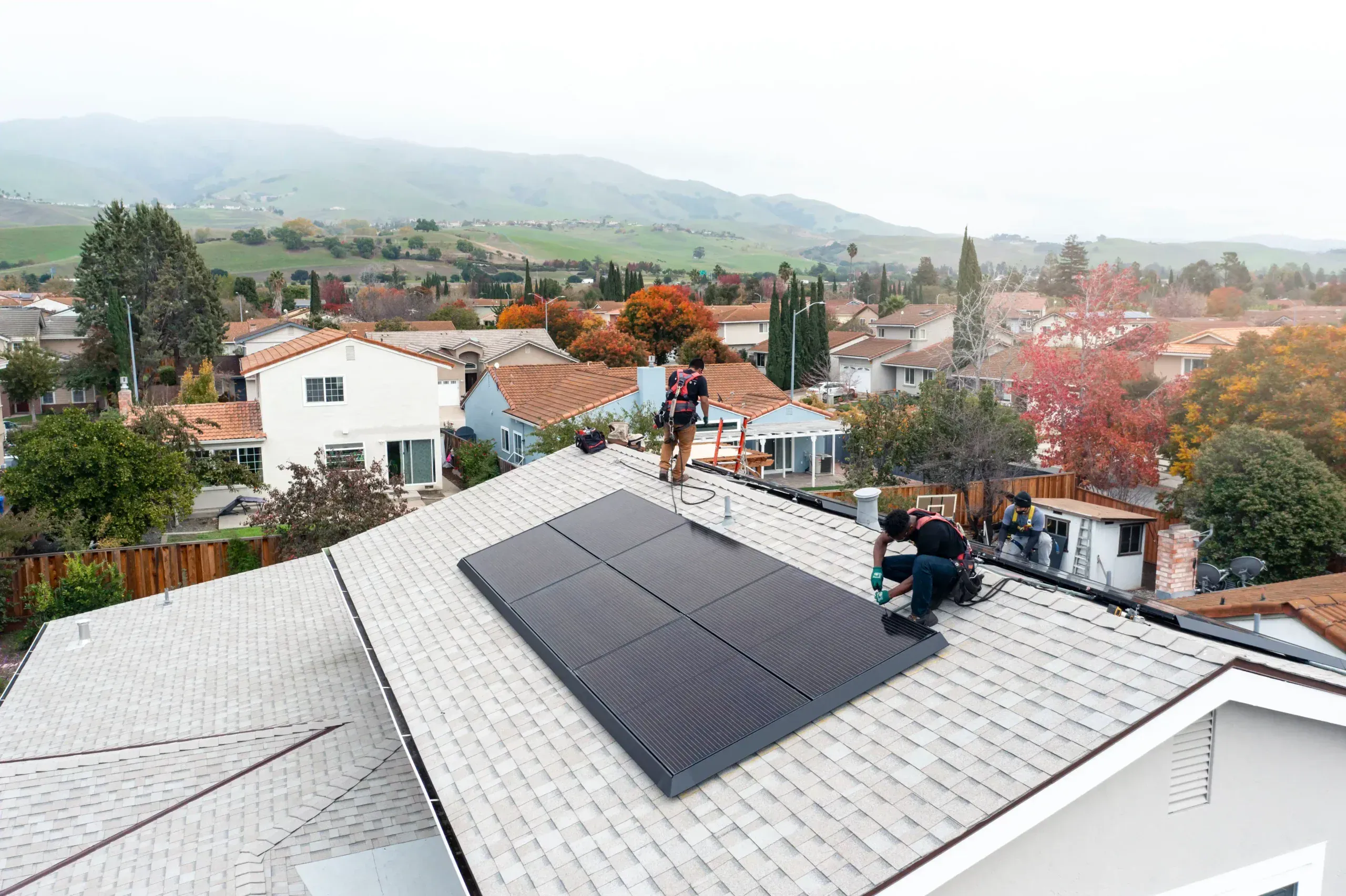
Our skilled technicians will meticulously install your solar energy system, adhering to industry best practices and safety standards. We will carefully mount the solar panels, connect the wiring, and configure the inverters to optimize energy production.
- Monitoring and Maintenance
Once your solar system is operational, we offer comprehensive monitoring and maintenance services. Our advanced monitoring systems allow us to track your system’s performance remotely, identifying any potential issues and optimizing its output. Regular maintenance ensures the long-term reliability and efficiency of your solar investment.
Commercial Solar Incentives in Canada
Various incentive programs may be available to help businesses reduce the upfront cost of Commercial Solar Installation projects.
Depending on your province and utility provider, organizations may qualify for federal, provincial, municipal, or utility-based programs that support renewable energy investments.
Available incentives may include:
- Government grants
- Low-interest financing programs
- Tax incentives
- Utility rebates
- Clean energy funding programs
Because incentive programs change periodically, businesses should review the latest available opportunities before beginning a project. Our team can help identify programs that may apply to your commercial solar installation and provide guidance throughout the planning process.
Factors Affecting Cost
The cost of a commercial solar panel installation can vary widely depending on several key factors. Understanding these factors will help you make informed decisions and budget accordingly.
System Size
One of the primary determinants of cost is the size of the solar system. Larger systems, capable of generating more electricity, naturally require more components and labor, leading to higher upfront costs. However, larger systems also offer greater potential for energy savings over the long term.
Roof Type
The type of roof on your commercial building can significantly impact installation costs. Tile roofs, for example, may require additional structural support and labor, increasing the overall cost. Flat roofs, on the other hand, are generally easier to install and can often be more cost-effective.
Local Incentives
Government incentives, such as tax credits and rebates, can significantly reduce the upfront cost of a solar installation. These incentives vary by region and can make a substantial difference in the overall project cost. It’s essential to research and take advantage of any available incentives in your area.
Installation Costs
Installation costs are another major factor affecting the overall price. These costs include labor, permitting fees, and equipment. The complexity of the installation, such as the need for additional structural support or electrical work, can also impact the final cost.
Choosing an Installer
Selecting the right solar installer is crucial to ensure a successful project. Here are some key factors to consider when choosing an installer:
1- Experience and Certifications
- Experience: Look for an installer with a proven track record of completing commercial solar installations. Experience ensures that the project is executed efficiently and to a high standard.
- Certifications: Ensure that the installer is certified by reputable organizations such as the North American Board of Certified Energy Practitioners (NABCEP). Certifications demonstrate the installer’s knowledge and expertise in the field.
2- Warranties and Guarantees
- Product Warranties: Reputable manufacturers offer warranties on their solar panels and inverters. These warranties typically cover defects in materials and workmanship for a specific period.
- Performance Guarantees: A performance guarantee ensures that your solar system will produce a certain amount of electricity over a specific period. If the system underperforms, the installer may compensate for the shortfall.
- Labor Warranties: A labor warranty covers any defects in the installation work. This ensures that any issues arising during the installation process are addressed promptly.
3- Local Regulations
- Building Codes and Permits: Familiarize yourself with local building codes and permitting requirements. A reputable installer will be knowledgeable about these regulations and can guide you through the permitting process.
- Net Metering: Understand the net metering policies in your area. Net metering allows you to offset your electricity usage with the excess energy generated by your solar system.
- Insurance: Ensure that your installer has adequate insurance coverage to protect against potential damages or accidents during the installation process.
FAQs
How long does it take to install a commercial solar system?
The timeline for a commercial solar installation can vary depending on several factors, including system size, complexity, and local permitting processes. Typically, the installation process can take from a few weeks to a few months. However, experienced installers can often expedite the process by efficiently managing each stage, from site assessment to final connection.
How much does a commercial solar system cost?
The cost of a commercial solar system can vary widely based on factors like system size, location, local incentives, and the specific components used. It’s essential to obtain quotes from multiple installers to compare prices and identify the best deal.
However, to provide a general estimate, commercial solar systems can range from tens of thousands to hundreds of thousands of dollars.
Can I lease or finance a commercial solar system?
Yes, leasing or financing a commercial solar system is a viable option for many businesses. These financing arrangements can help you avoid significant upfront costs and spread the investment over time.
- Leasing: With a solar lease, you lease the solar system from a third-party provider. The provider owns and maintains the system, while you pay a fixed monthly fee for the electricity generated.
- Financing: Solar financing involves taking out a loan to cover the cost of the system. You own the system outright, and the loan is typically repaid over a fixed term with regular payments.
Is commercial solar worth it in Canada?
For many businesses, yes. Commercial solar can reduce long-term electricity expenses, improve energy independence, and support sustainability initiatives. The overall financial return depends on electricity consumption, system size, utility rates, and available incentives.
How much roof space is required?
The required roof space depends on your energy goals and the size of the proposed system. During the planning process, our team evaluates available roof area, structural considerations, and energy usage to recommend the appropriate system design.
What businesses benefit the most?
Businesses with consistent daytime electricity consumption often benefit the most. Manufacturing facilities, warehouses, retail stores, office buildings, agricultural operations, and logistics centers are all excellent candidates for Commercial Solar Installation.
Can solar power EV charging stations?
Yes. Commercial solar systems can generate electricity to support workplace and public EV charging infrastructure, helping businesses reduce charging costs while promoting sustainable transportation.
How long is the ROI?
The return on investment varies based on electricity costs, system size, available incentives, and energy usage. Many businesses achieve long-term savings over the lifetime of their solar system while reducing ongoing operating expenses.
What maintenance is required?
Commercial solar systems require relatively little maintenance. Periodic inspections, system monitoring, and occasional panel cleaning help maintain optimal performance and long-term reliability.
Can I expand my system later?
In many cases, yes. Commercial solar systems can often be designed with future expansion in mind, allowing businesses to add additional solar panels as their energy requirements grow.
Can I install battery storage later?
Yes. Many businesses choose to add battery storage after the initial installation to improve energy resilience, reduce peak demand, and provide backup power during outages. Planning for future battery integration during the initial system design can simplify expansion later.
GALLERY