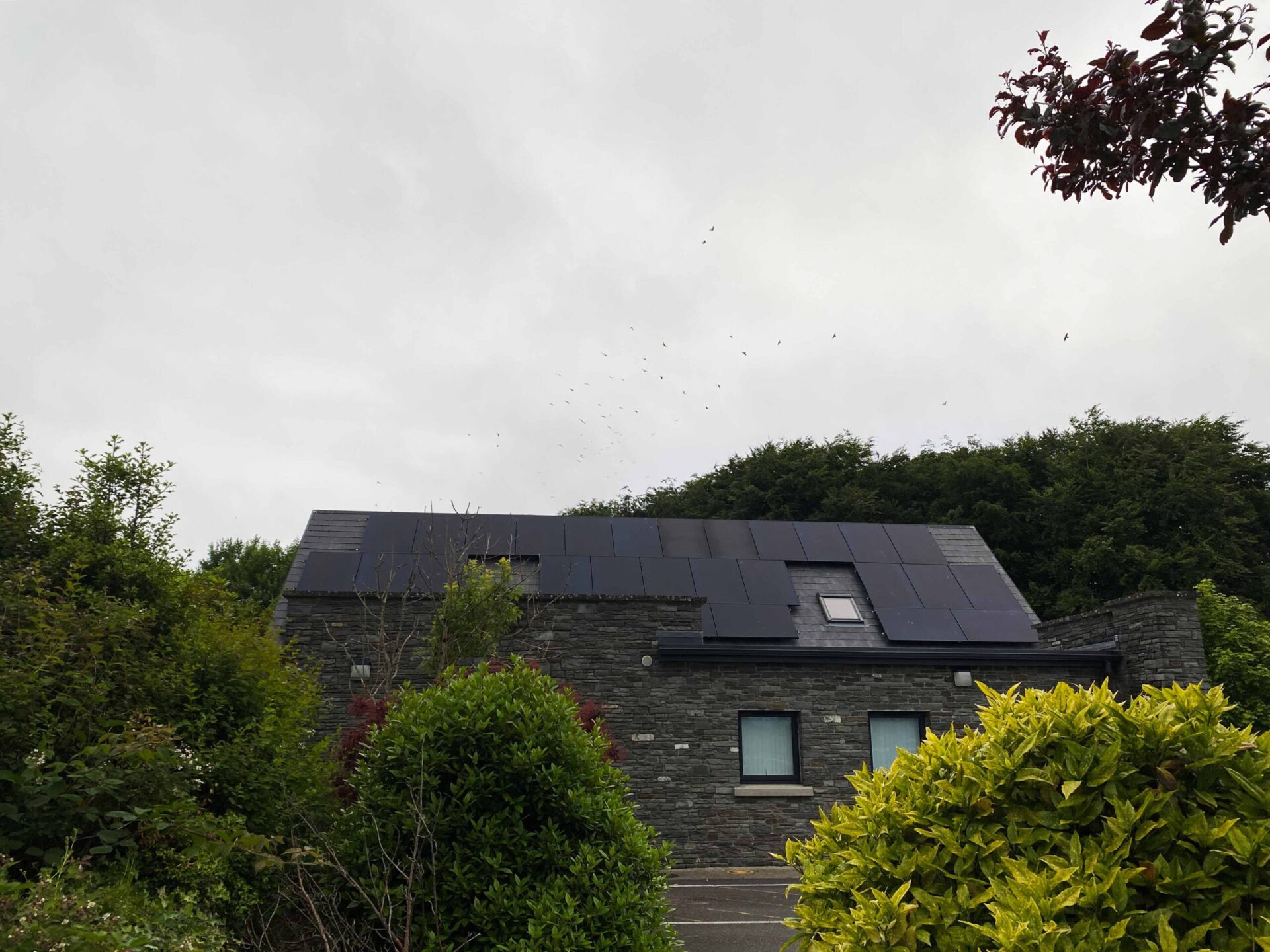
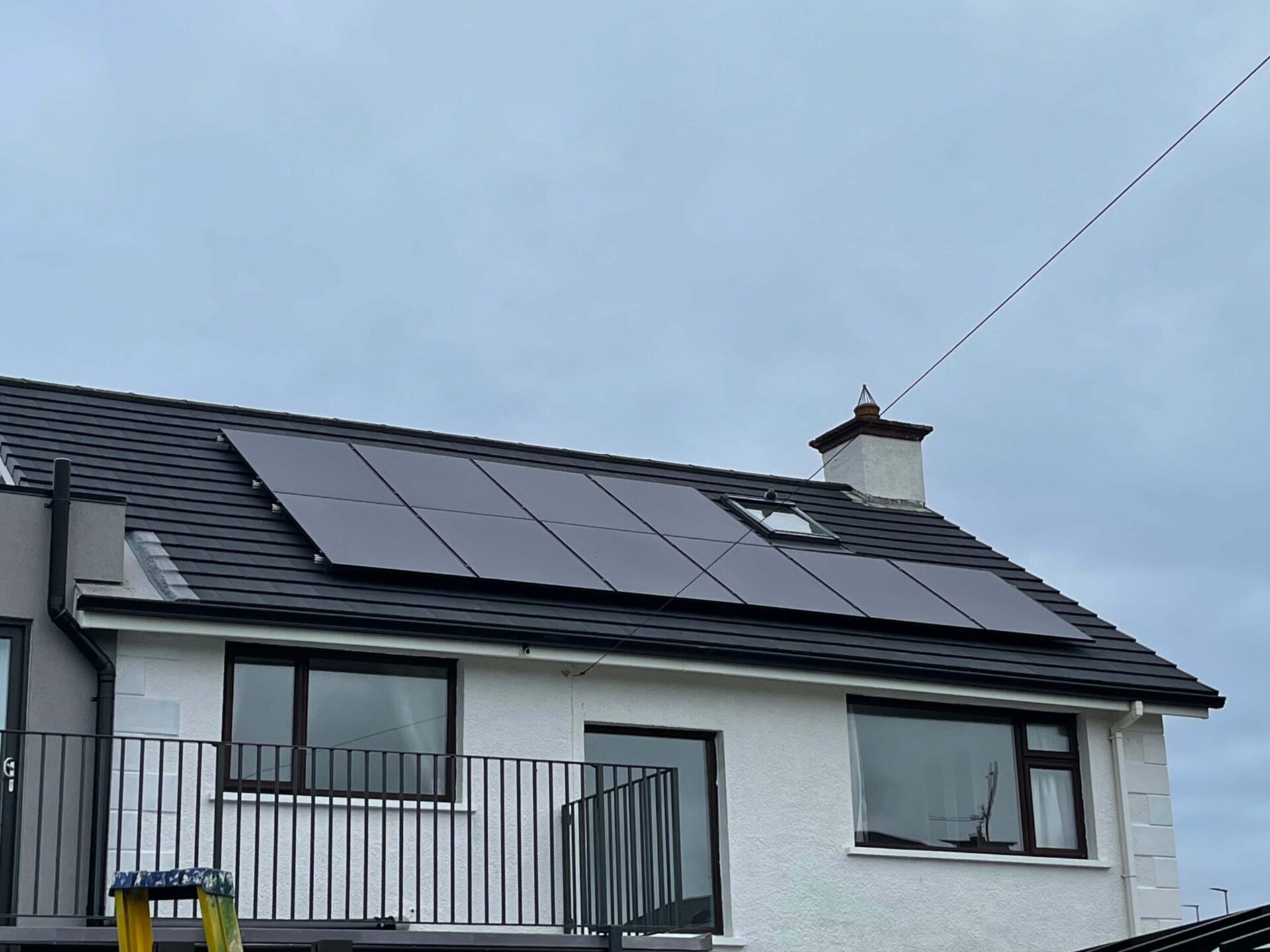
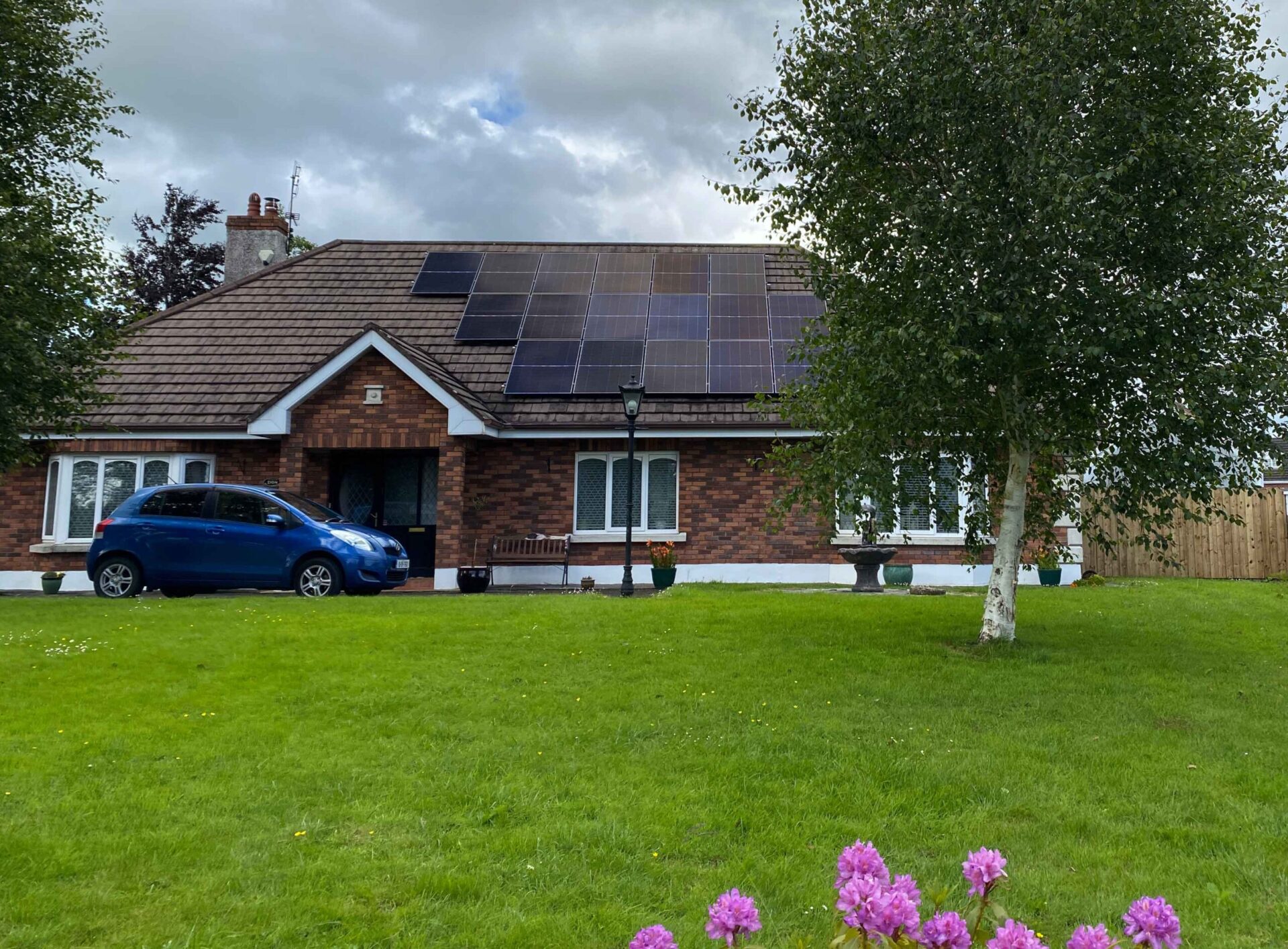
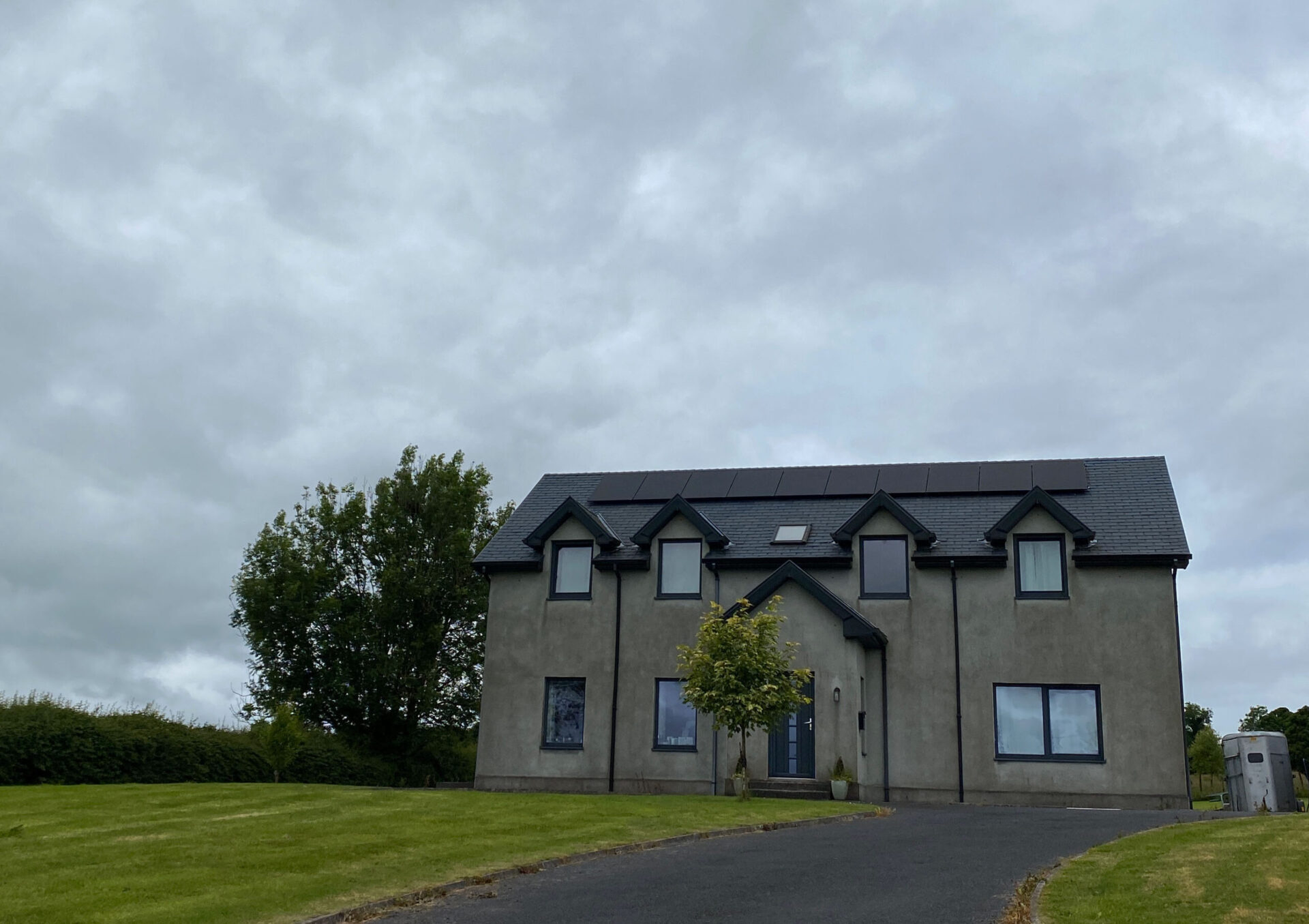
Residential Solar · ESA Licensed · Across Canada
Home Solar Panel Installation
Solar Panel Installation for Canadian Homes
INTOCHARGE designs and installs residential solar panel systems for homeowners across Canada. Our licensed electricians and in-house engineers handle everything, from site assessment and system design to permits, utility approvals, installation and grid connection, so going solar is simple from start to finish.
Every system is built around your roof, your energy use and your budget. We also help you take advantage of available solar incentives and net metering programs to lower your hydro bills for decades.
Planning a project for your business? See our commercial solar services.
Trust – Deliver by Choice NOT by Chance


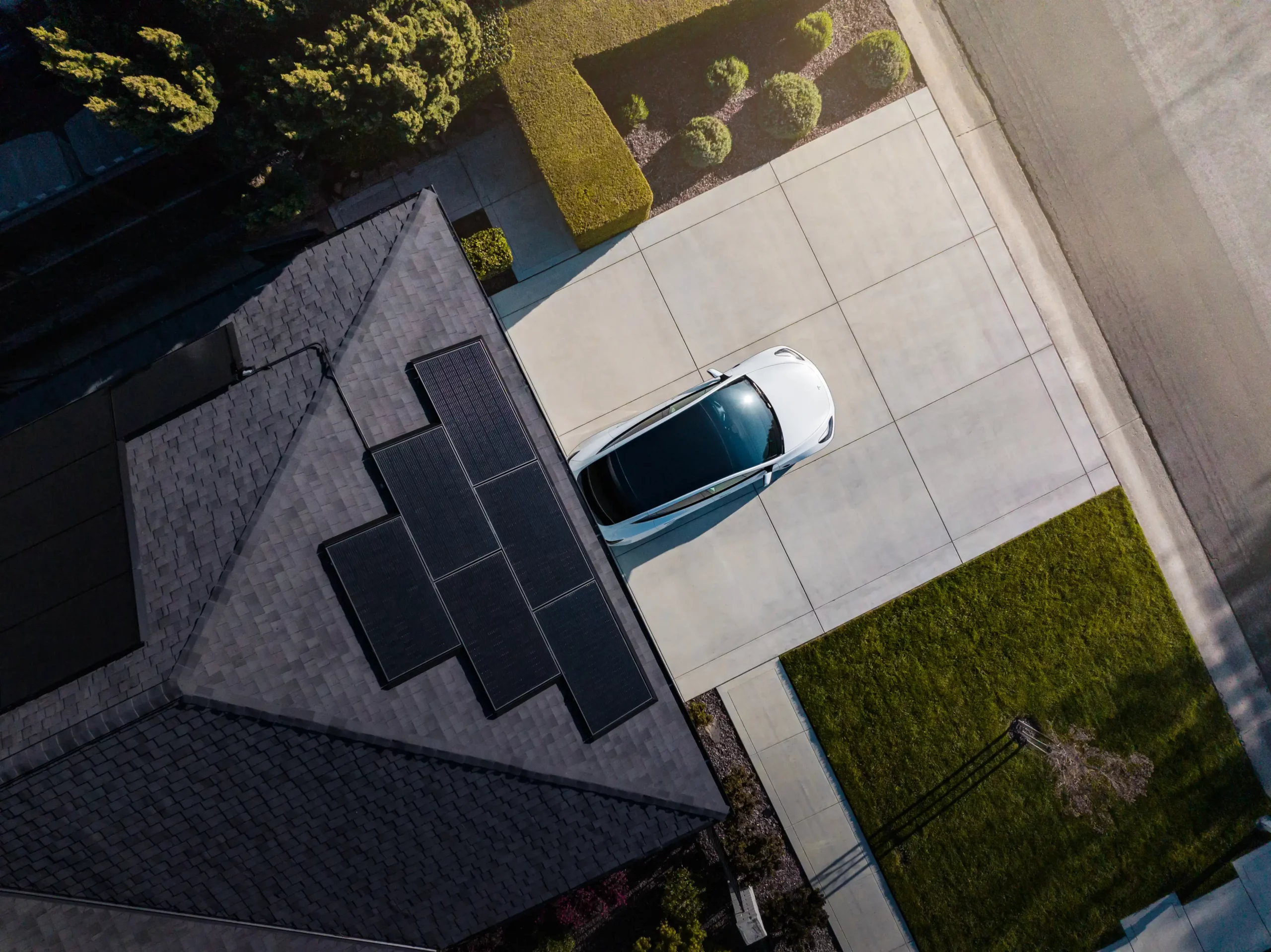
Clean · Quiet · Renewable
Power Your Home
With the Sun
Rooftop solar turns daylight into savings for decades. We engineer each system around your roof, your usage and your budget, then handle permits, installation and grid connection.
Get Your Solar QuoteFrom first visit to final sign-off
Home Solar Installation Services
Site Assessment & Feasibility
We check your roof, shading, electrical panel and energy use to confirm solar is right for your home before you commit.
Solar Energy Modeling
We estimate your system’s yearly production and savings from your location, roof angle and hydro bills, so you know what to expect.
Custom Solar System Design
Our engineers size your system to your energy needs and roof, balancing output, budget and a clean look.
Engineering Oversight
A professional engineer oversees your project from design to final sign-off, so every detail meets code and your goals.
Project Management
One team coordinates permits, utility applications, scheduling and inspections, so you never chase paperwork.
Equipment Sourcing
We supply quality solar panels, inverters and batteries from trusted manufacturers and manage delivery to keep your project on schedule.
Solar Panel Installation
Licensed electricians install your panels, inverter and wiring safely and cleanly, following the Canadian Electrical Code.
Commissioning & Grid Connection
We test the complete system before it goes live, then coordinate the final inspection and utility connection.
Maintenance & Support
Monitoring, inspections and service after installation keep your solar system performing for decades.
Grid-Tied · Battery · Off-Grid
Built Around
Your Home
Whether you want to cut your hydro bill, keep the lights on during outages or go fully independent, we design the system that fits how your home uses energy.
Get Your Solar QuoteGrid-Tied · Battery · Off-Grid
Types of Home Solar Systems
Grid-Tied Solar
Net meteringThe most popular and affordable way to go solar. Your panels power your home and send extra electricity to the grid, earning credits on your bill through net metering. With no batteries to buy, it offers the fastest payback. We handle the design, permits, utility approvals and a code-compliant installation.
Solar + Battery Storage
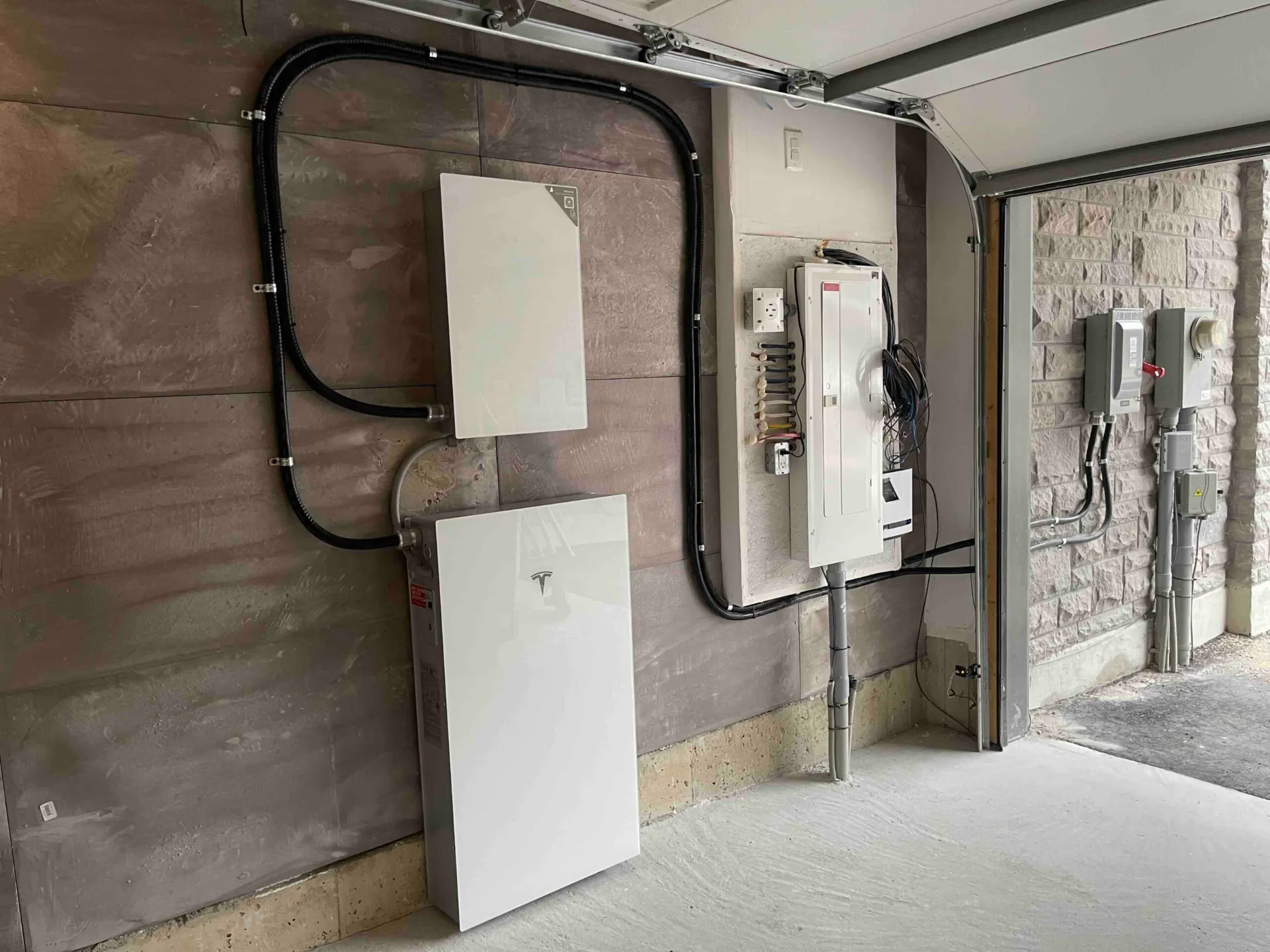
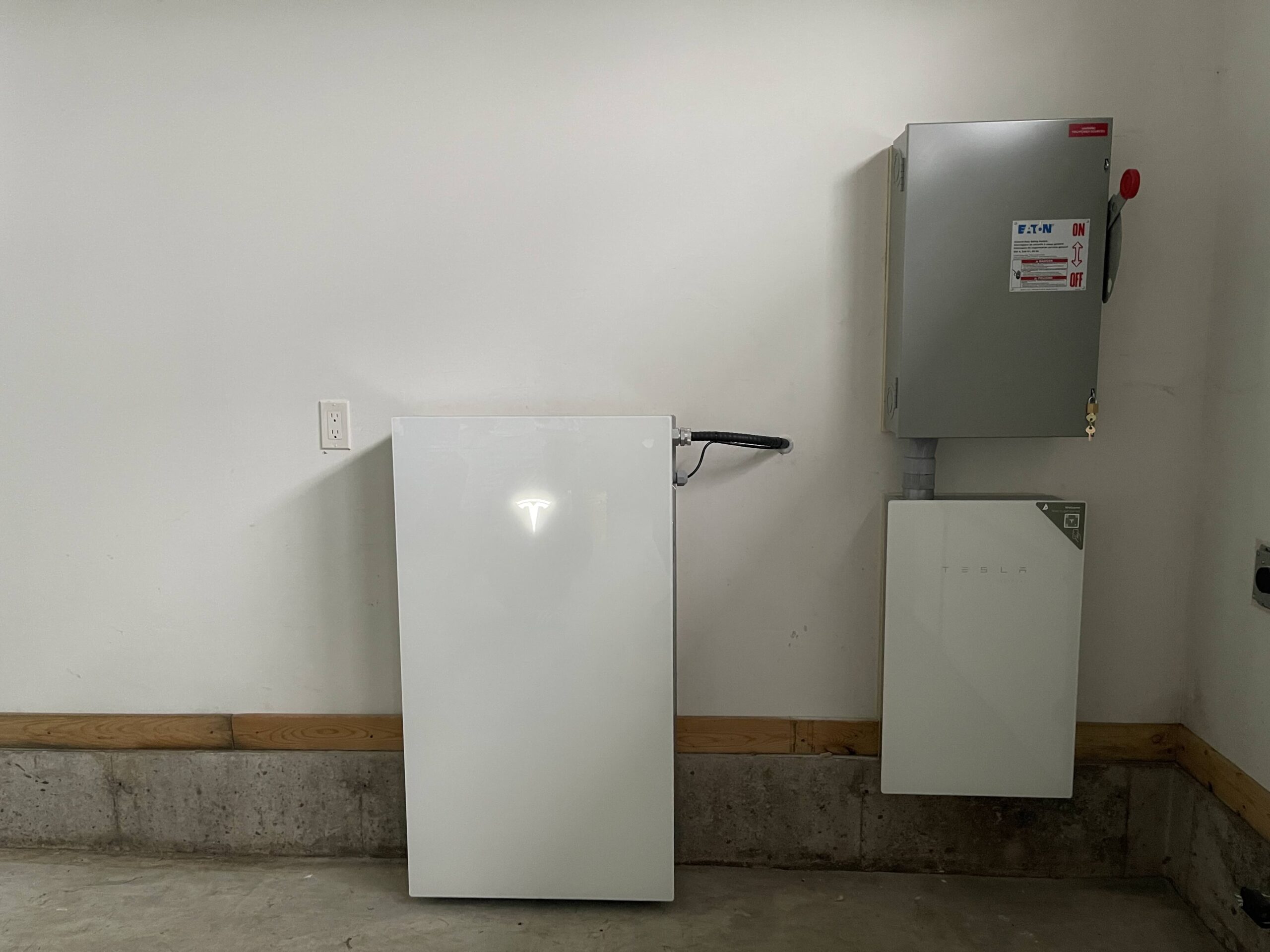
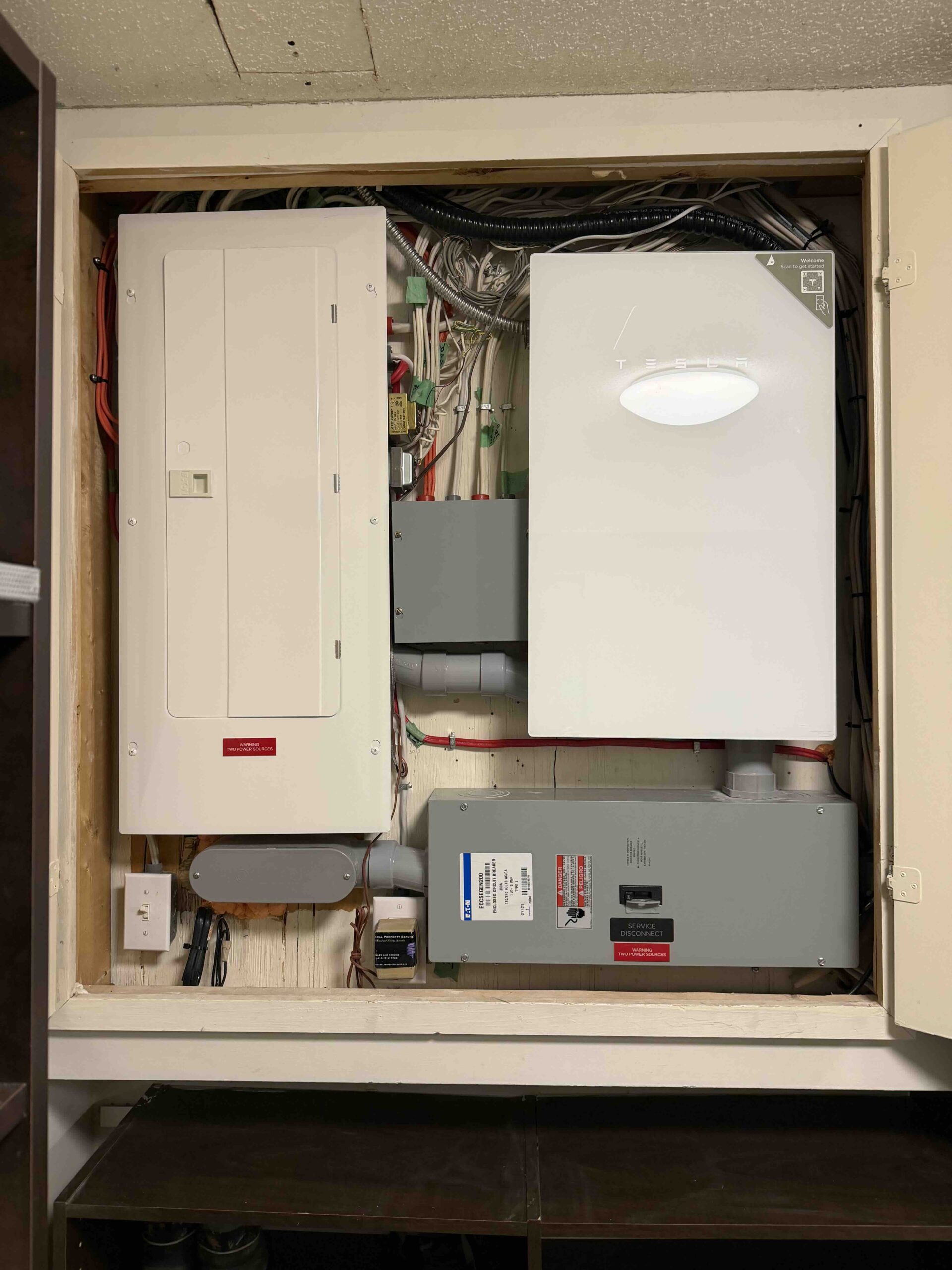
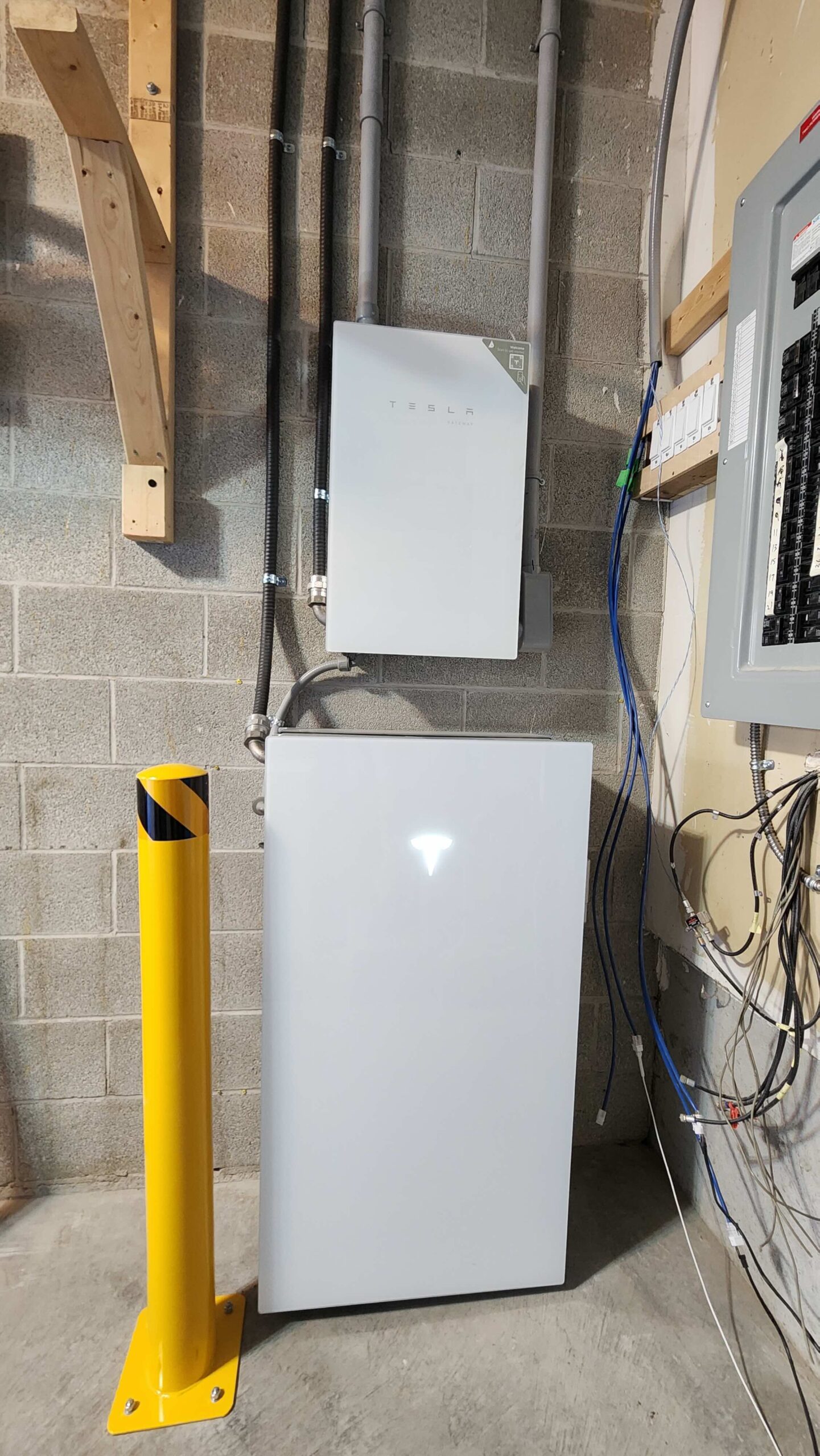
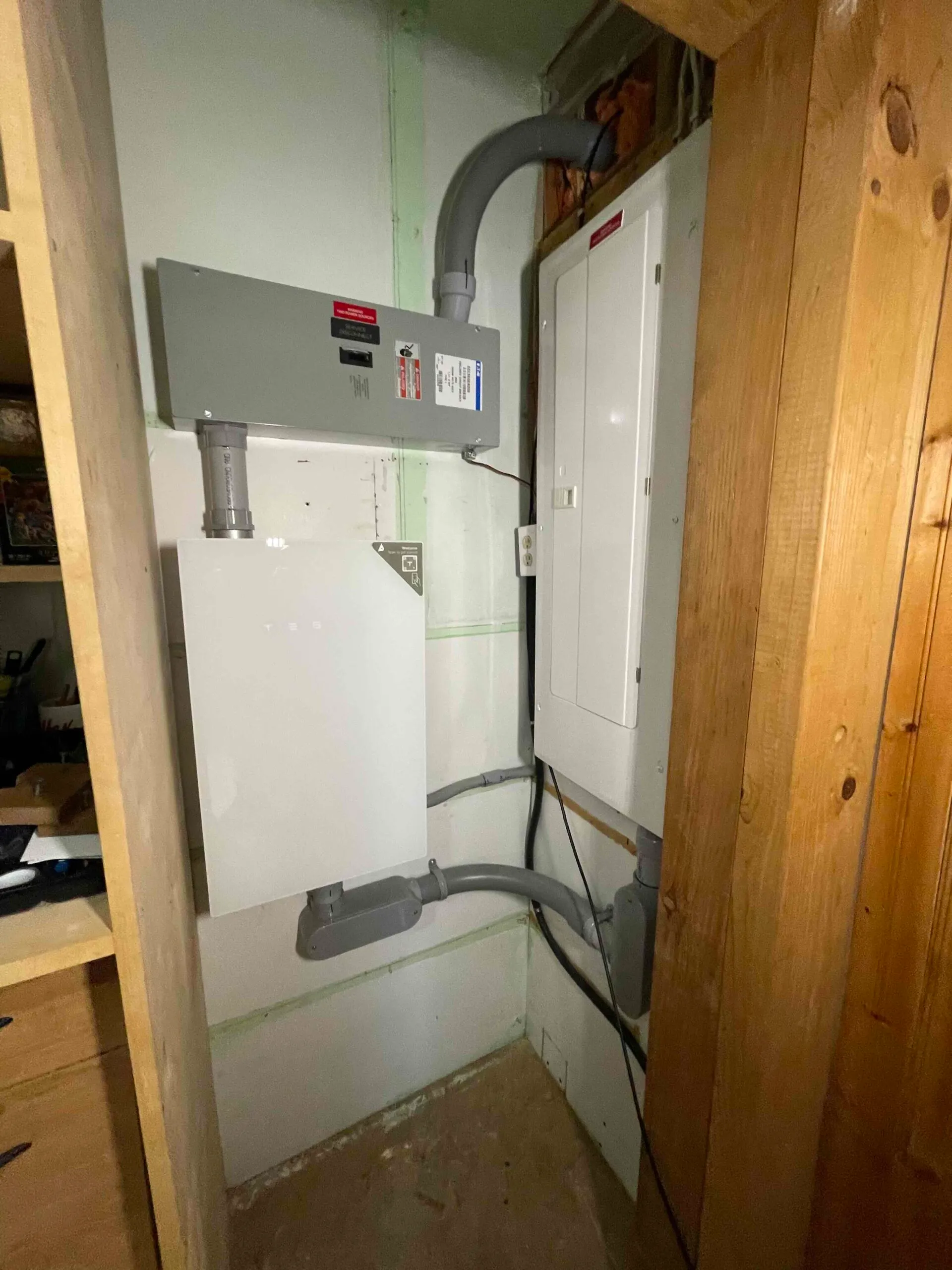
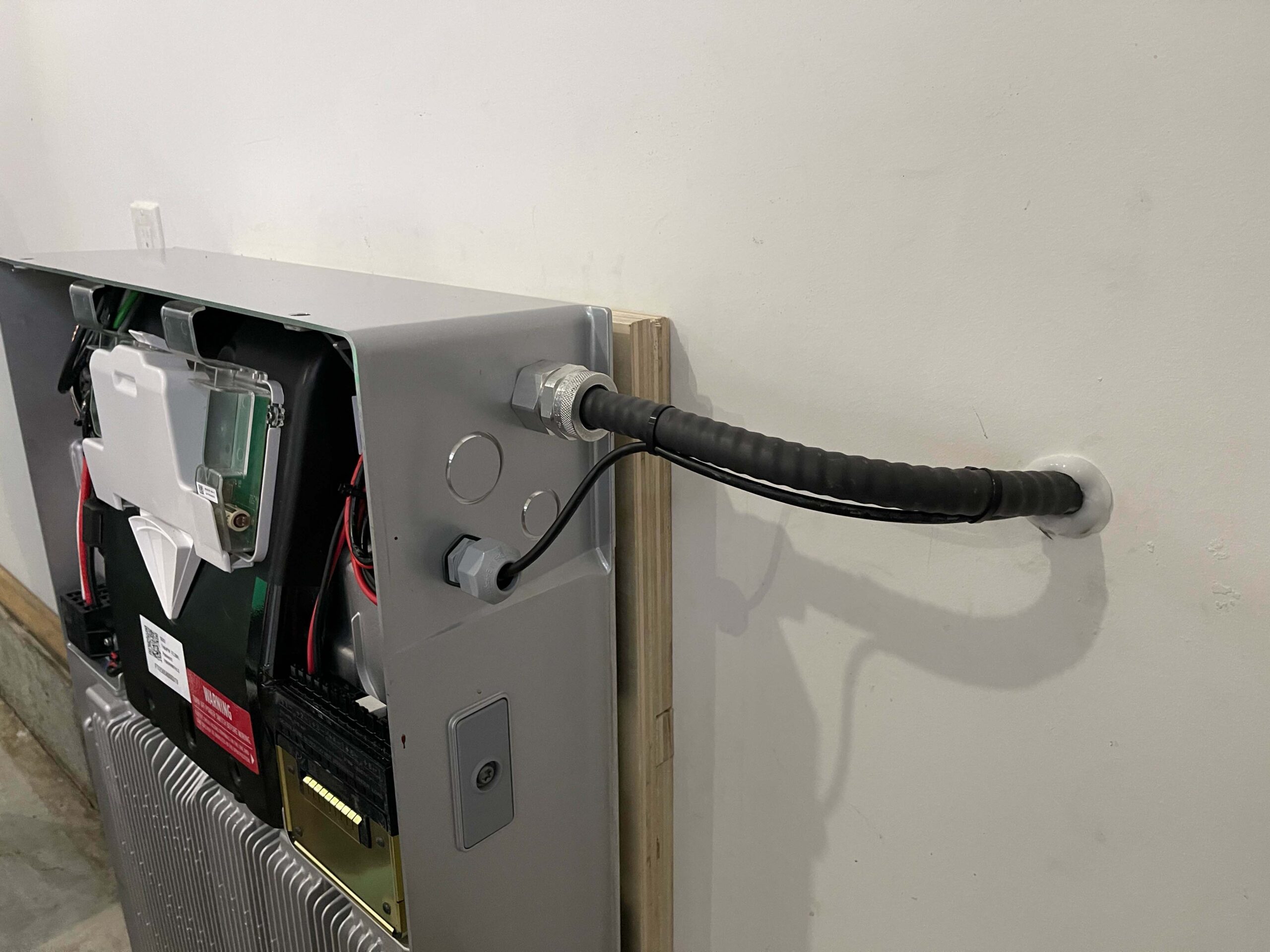
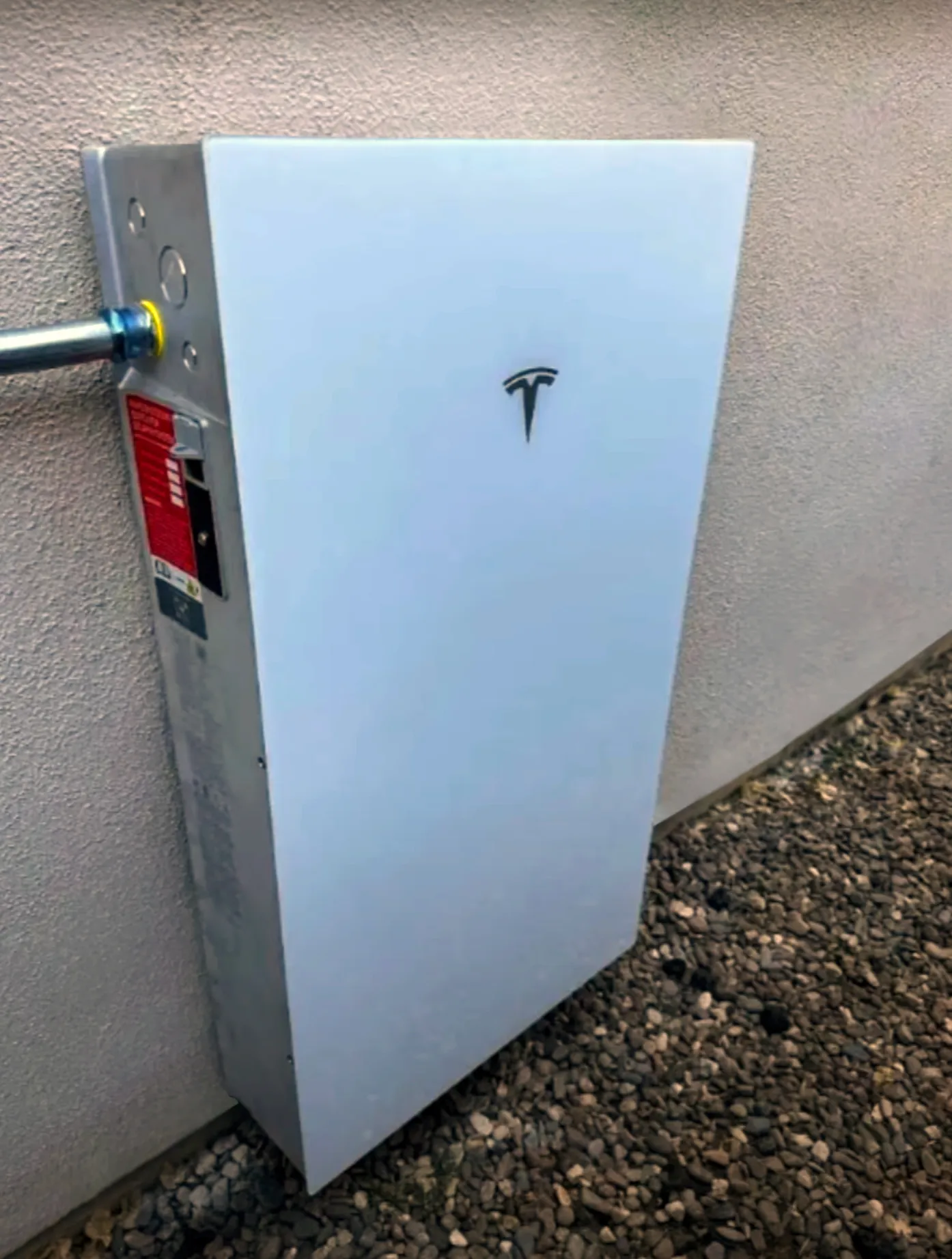
Net metering + backup powerAdd a home battery, such as a Tesla Powerwall, to store solar energy for evenings and power outages. Back up essential circuits or your whole home, and keep your existing generator as a second layer of protection.
Off-Grid Solar
Fully self-reliant powerFor cottages, cabins, workshops and rural properties without reliable grid access. We size the panels, battery storage and inverter to your exact energy needs, so you have dependable power year-round with no utility connection.
Other Projects We Support
Residential
Single | Multi
Residential
High-rise
Commercial
Project
Healthcare
Project
Industrial
Project
Strength in numbers
Why INTOCHARGE?
ESA Licensed Electrical Contractor Registered with the Electrical Safety Authority, ECRA/ESA #7016848.
PEO Professional Engineering Firm Certificate of Authorization (CofA) from Professional Engineers Ontario.
Master Electrician-Led Team Our own in-house licensed electricians and engineers, with a master electrician overseeing every project from design to final sign-off.
Solar + Storage Specialists We design and install complete solar systems, with optional Tesla Powerwall battery storage.
The basics
How Home Solar Works
Solar panel installation at home means setting up a solar energy system on your residential property: solar panels, an inverter and the components that connect them to your home.
Panels Capture Sunlight
Solar panels on your roof convert sunlight into direct current (DC) electricity, even on cool, bright Canadian days.
The Inverter Converts It
An inverter turns that DC electricity into alternating current (AC), the standard power used by everything in your home.
Your Home Runs on Solar
Your home uses the solar power first. Extra energy flows back to the grid and can earn credits on your bill through net metering.
Across Canada
Residential Solar
Done Right
Licensed electricians and engineers, code-compliant designs and clean installations, from the first site visit to final inspection.
Get Your Solar QuoteResidential Solar Installation Across Canada
INTOCHARGE provides professional residential solar installation services for homeowners across Canada. Whether you’re looking to reduce electricity costs, increase energy independence, or invest in renewable energy, our team designs customized solar solutions based on your home’s energy needs, roof characteristics, and local regulations.
As electricity prices, solar potential, and available incentive programs vary by province, every installation is carefully planned to maximize long-term performance and return on investment.
We proudly serve homeowners across Canada, including:
- Ontario
- British Columbia
- Alberta
- Saskatchewan
- Manitoba
- Quebec
- New Brunswick
- Nova Scotia
- Prince Edward Island
- Newfoundland and Labrador
Our team considers regional climate conditions, utility requirements, and available incentive programs to ensure every residential solar system is designed for optimal efficiency and long-term reliability.
Benefits of Home Solar Installation
Some benefits of solar panel installation at home are:
One of the most benefits of home solar installation is reducing energy costs. As solar panels generate electricity during daylight hours, you can offset a portion of your electricity consumption from the grid. Over time, this can lead to substantial savings on your monthly utility bills.
By switching to solar energy, you will take a step to a cleaner and healthier planet. Solar energy is a renewable energy resource that does not produce greenhouse gases. By reducing your reliance on fossil fuels, you help mitigate climate change and improve air quality.
Solar installation can increase the value of your home. Potential buyers often view solar energy as a desirable feature, as it can lower energy costs and appeal to environmentally conscious individuals. This can make your home more attractive to buyers and potentially lead to a higher selling price.
Solar sustainable energy allows you to generate your electricity, reducing your dependence on utility companies. Also, this allows you to manage your costs and protect yourself from possible price fluctuations. Additionally, solar power can be a reliable source of energy, especially during power outages.
The Canadian government offers various incentives and programs to support solar energy and eco-friendly facilities. These incentives can reduce the upfront costs of solar panel installation. Some of the available incentives include:
The Federal Solar Incentive allows homeowners and businesses to benefit from a tax credit for eligible solar energy systems. This initiative reduces the upfront costs of installing solar panels. It applies to both residential and commercial properties, with specific criteria such as:
- The system must meet certain efficiency standards.
- Installation must be performed by certified professionals.
- For example, the Greener Homes Initiative offers grants of up to $5,000 for energy efficiency upgrades, including solar panels.
Each province and territory have unique programs to support solar energy adoption. These may include:
- Rebates: Programs such as Alberta’s Residential and Commercial Solar Program offer rebates based on system size and capacity, significantly reducing installation costs.
- Feed-in Tariffs: In provinces like Ontario, homeowners who produce excess energy through solar systems can sell it back to the grid at premium rates under programs like Net Metering.
- Low-Interest Loans: Quebec’s ÉcoPrêt provides low-interest loans for green energy installations, making solar systems more financially accessible.
It’s essential to check the eligibility requirements for these programs as they vary by region and may have application deadlines.
Average Residential Electricity Costs Across Canada
Estimated residential electricity costs and solar savings potential by province are as below:
| Province | Residential Electricity Cost | Solar Potential | Potential Long-Term Savings |
|---|---|---|---|
| Alberta | High | Excellent | High |
| Saskatchewan | High | Excellent | High |
| Nova Scotia | High | Very Good | High |
| Prince Edward Island | High | Good | High |
| Ontario | Moderate to High | Good | High |
| New Brunswick | Moderate | Good | Moderate |
| Newfoundland and Labrador | Moderate | Moderate | Moderate |
| British Columbia | Low | Good | Moderate |
| Manitoba | Low | Excellent | Moderate |
| Quebec | Very Low | Good | Lower |
Gold strongest case for solar · Green good · Grey lower savings
Actual savings depend on your home’s electricity usage, roof orientation, system size, local utility rates, and available incentive programs.
Assess · Design · Install
From Site Visit
to Power-On
A clear, step-by-step process with one team accountable for every stage: assessment, design, permits, installation and monitoring.
Get Your Solar QuoteInstallation Process
To install solar panels, the following steps must be taken:
Site Assessment
The installation process begins with a thorough site assessment to determine the suitability of your property for solar energy. Solar installers will evaluate factors such as roof orientation, shading, and available sunlight to assess the potential energy output of a solar system.
System Design
Based on the site assessment, solar system designers will design a solar energy system that meets your specific needs and maximizes energy production. They will consider factors such as your energy consumption patterns, budget, and local regulations to create a customized system.
Permitting and Approvals
Before installation begins, you may need to obtain necessary permits and approvals from local authorities. In Canada, the specific permits vary by province and municipality. For example:
- Ontario: You may need an electrical permit from the Electrical Safety Authority (ESA).
- British Columbia: The installation might require permits related to structural changes and interconnection with the local utility grid.
Permitting processes can take anywhere from a few weeks to a couple of months. Solar installers often assist in managing this process, ensuring compliance with local building codes and electrical standards.
Installation
The installation process involves mounting solar panels on your roof or ground-mounted structure. Solar installers will carefully secure the panels and connect them to the inverter, which converts DC electricity into AC electricity. They will also connect the system to your home’s electrical panel.
Monitoring and Maintenance
Once installed, modern solar energy systems often come with sophisticated monitoring tools. These tools allow homeowners to track performance through apps or web interfaces, providing real-time data on energy production and usage. Popular monitoring systems include SolarEdge, Enphase Enlighten, and Tesla App.
Maintenance tips for Canadian climates are:
- Regular cleaning is essential to remove dirt, dust, and debris that can accumulate on the panels.
- During winter, snow removal may be necessary. Using soft tools like a roof rake can prevent damage to the panels.
- Schedule annual professional inspections to check for loose connections, inverter efficiency, and overall system health.
Is Your Home a Good Candidate for Solar?
Not every home is identical, but many Canadian homeowners are excellent candidates for residential solar. If several of the following apply to your property, solar may provide significant long-term value.
Your home may be a good fit if:
- You own your home.
- Your roof receives good sunlight throughout the day.
- These is sufficient space for solar panels on your roof.
- Your electricity bills have increased over time.
- You plan to stay in your home for several years.
- You’re interested in reducing your environmental impact.
- You currently own—or plan to purchase—an electric vehicle.
- You’re looking for greater energy independence and long-term savings.
The best way to determine whether solar is right for your property is through a professional site assessment. Every home is unique, and a customized evaluation ensures your system is designed to maximize energy production and long-term performance.
Plan Your Investment
What Shapes
Your Cost
System size, roof type, available incentives and installation complexity all affect your price. We give you a transparent quote before any work begins.
Get Your Solar QuoteFactors Affecting Cost
Several factors can influence the cost of a home solar installation:
The size of your solar system, typically measured in kilowatts (kW), is a primary factor influencing costs.
For example:
- A 5-kW system may cost between $14,000–$16,000 CAD but can offset approximately 50–70% of an average household’s energy needs.
- Larger systems (e.g., 10 kW) are more expensive but provide greater energy output, often suitable for larger homes or those with higher energy consumption.
The type and condition of your roof can affect labor and material costs:
- Asphalt Shingles: Relatively straightforward and cost-effective to install panels on.
- Metal Roofs: Durable and long-lasting but may require specialized mounting hardware.
- Tile or Slate Roofs: Require additional labor due to their fragility, increasing overall costs.
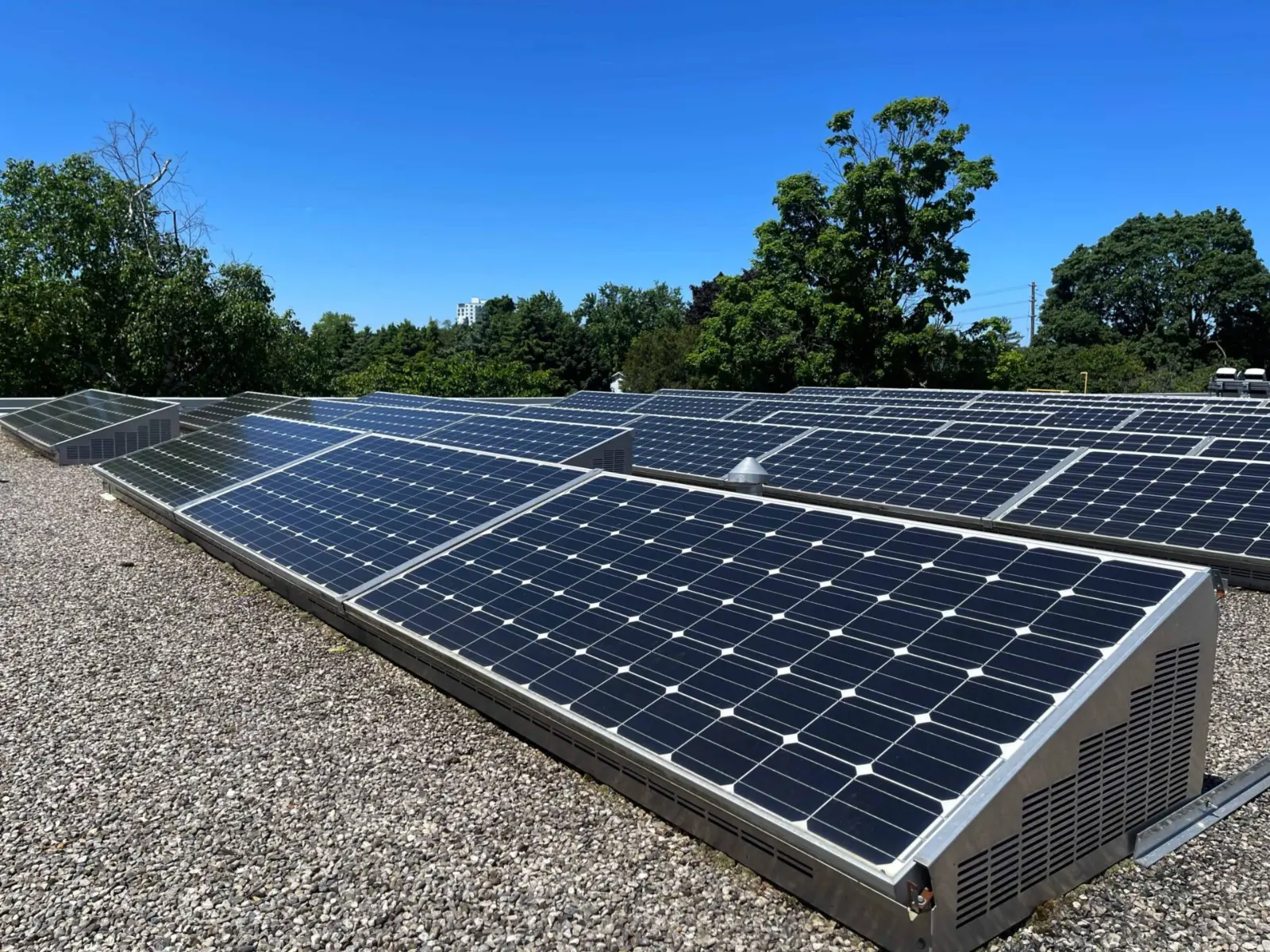
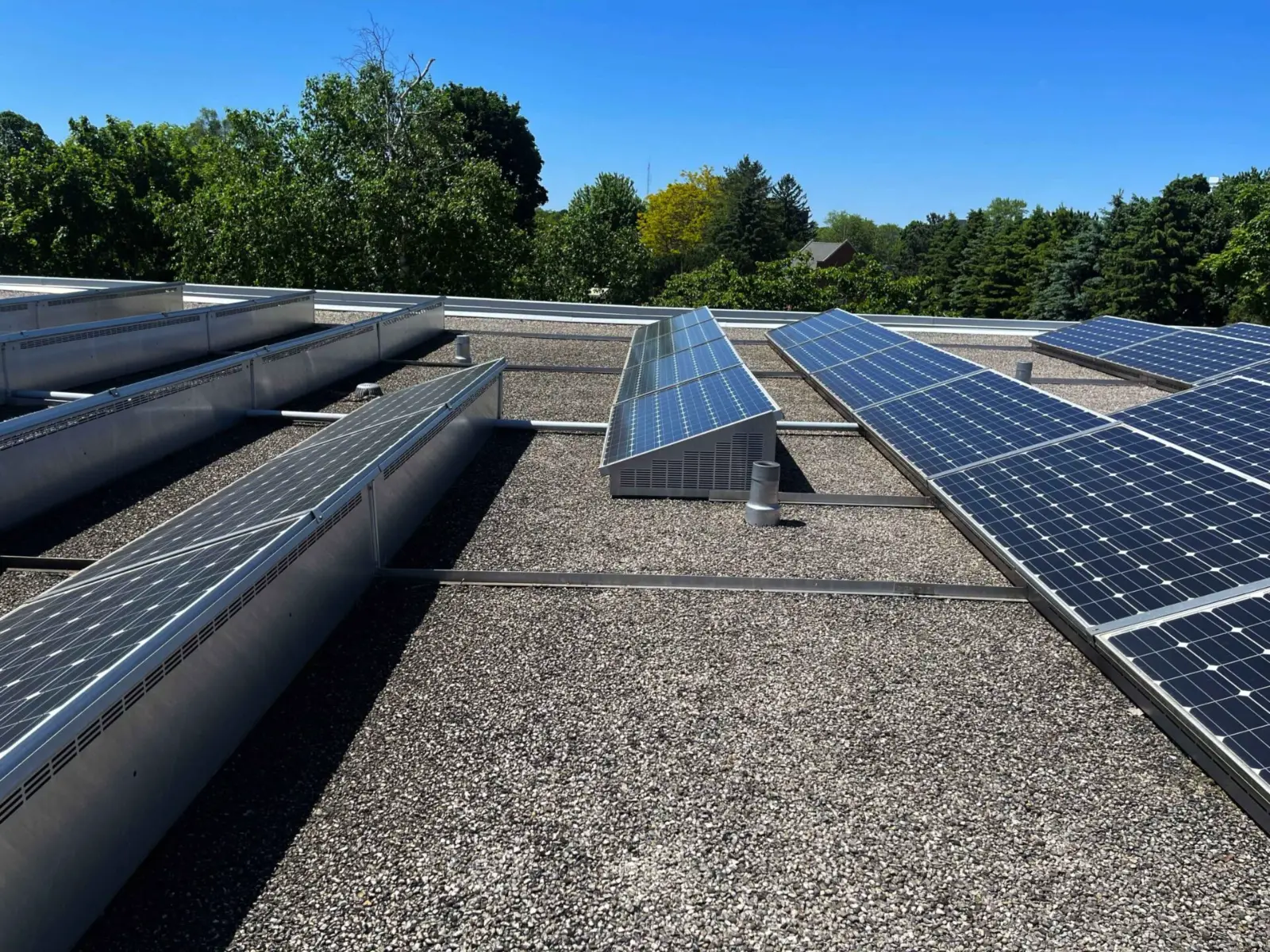
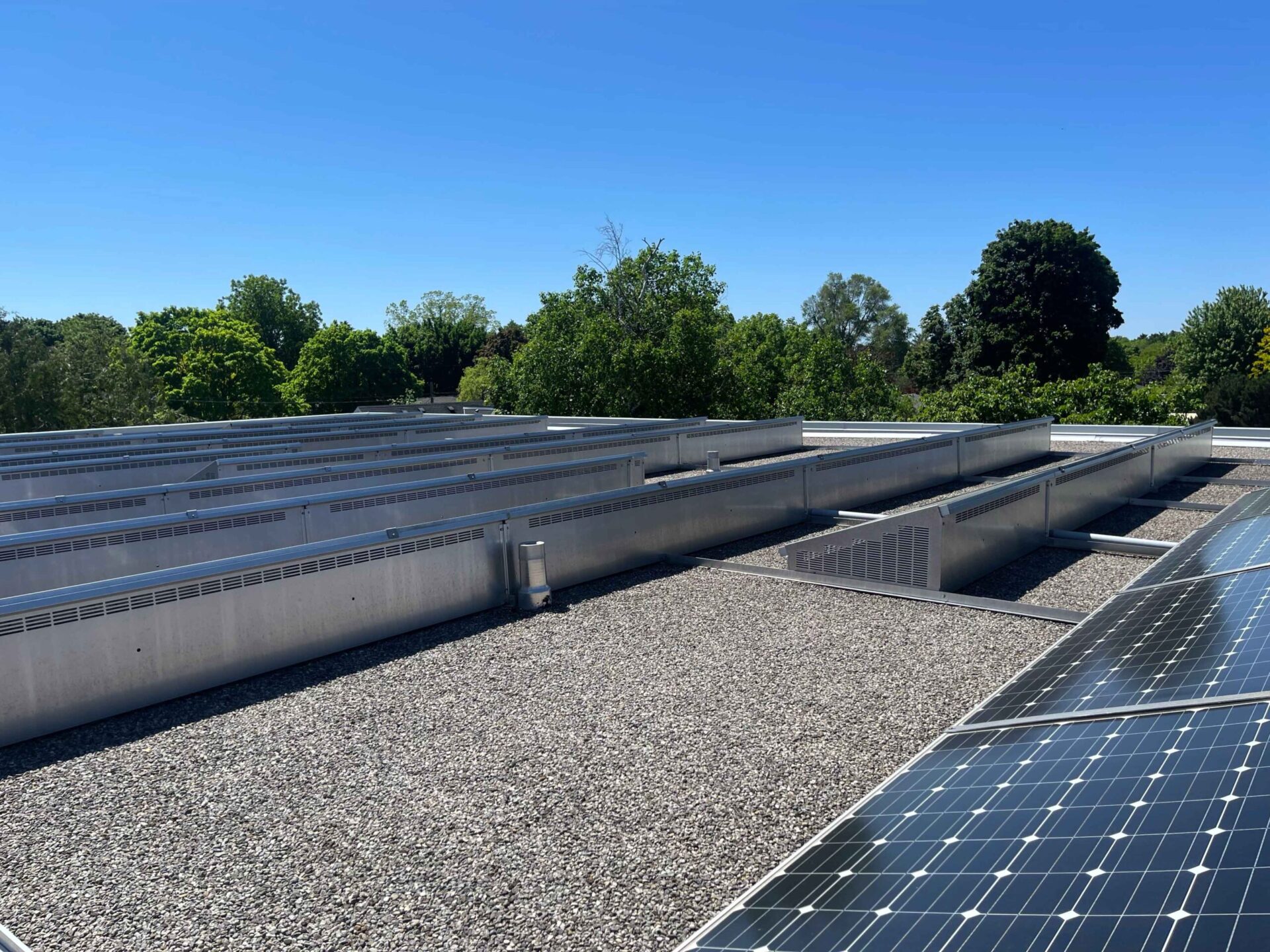
- Flat Roofs: In Canada, angled mounts are often used to optimize solar panel orientation and energy production.
Various government incentives can help reduce upfront costs:
- Federal Programs: The Canada Greener Homes Grant offers up to $5,000 CAD for energy-efficient home improvements, including solar.
- Provincial Rebates: In Alberta, rebates can cover up to 30% of installation costs.
- Net Metering: Available across most provinces, allowing you to receive credits for excess energy sent to the grid.
Installation costs depend on labor rates, system complexity, and equipment used. For example:
- In urban areas, higher labor costs may be offset by readily available components.
- Rural installations may incur higher transportation and logistics costs.
Choose With Confidence
The Right Installer
Matters
Experience, certifications, warranties and local code knowledge decide how well your system performs for the next 25 years.
Get Your Solar QuoteChoosing an Installer
When it comes to choosing a solar installer, it is important to find a reputable company with experience and expertise in solar installation. Here are some key factors to consider:
Look for an installer with a proven track record of successful solar installations. They should have experience working with different types of solar systems and be familiar with local regulations and permitting requirements.
Check if the installer is certified by recognized organizations. These certifications demonstrate their knowledge and expertise in the solar industry.
Reputable solar installers offer warranties on their products and workmanship. Ask about the warranty period and any limitations or exclusions.
Solar installation requires compliance with local building codes and zoning regulations. Choose an installer who is familiar with the specific regulations in your area and can guide you through the permitting process.
Services We Offer
Residential Solar Solutions
Let the Sun be the source and enhance your home energy saving with solar energy. Our residential solar solutions are designed to harness the power of the sun, providing sustainable and cost-effective energy for your household. We’ll estimate your upfront costs, savings, and financing options and will help you to make informed decisions.
Commercial Solar Projects
Our tailored solutions for small and medium-scale commercial ventures ensure efficiency, cost savings, and a positive environmental impact. We go beyond engineering and design to ensure you have a comprehensive understanding of the regulatory landscape.
Get started
Join the Solar Revolution
Embark on a journey towards a sustainable future with INTOCHARGE. Contact us today to explore how solar can lower your energy costs and power your home with clean energy.
Get Instant QuoteFAQs
1- How long does it take to install a home solar system?
The installation time for a home solar system can vary depending on the size of the system and the complexity of the installation. On average, it can take anywhere from a few days to a few weeks.
2- How much does a home solar system cost?
The cost of a home solar system depends on several factors, including the size of the system, the type of equipment used, and local incentives. The cost of implementing a solar project in Canada typically ranges from $12,000 to $40,000.
3- Can I lease or finance a home solar system?
Yes, you can lease or finance a home solar system. Leasing allows you to avoid the upfront costs of purchasing a system and instead pay a monthly fee. Financing provides you with the option to spread the cost of the system over a longer period.
4- What is photovoltaic?
Photovoltaic (PV) is a technology that converts sunlight directly into electricity. This process is made possible by photovoltaic cells, typically made of silicon, which absorb sunlight and generate direct current (DC) electricity.
5- Are there government rebates available?
Yes. Depending on where you live, you may qualify for federal, provincial, municipal, or utility incentive programs that help reduce the cost of installing residential solar panels.
6- Which provinces offer the best solar incentives?
Available incentive programs change over time, but provinces such as British Columbia, Nova Scotia, Prince Edward Island, and Alberta have offered strong support for renewable energy in recent years. Available programs should always be verified before beginning a project.
7- Will solar panels work during Canadian winters?
Yes. Solar panels generate electricity from sunlight rather than heat, allowing them to continue producing power during winter months whenever sunlight is available.
8- Can I install Tesla Powerwall later?
Yes. Many homeowners choose to add battery storage after their initial solar installation. Your system can often be designed with future battery integration in mind.
9- Can solar panels charge my EV?
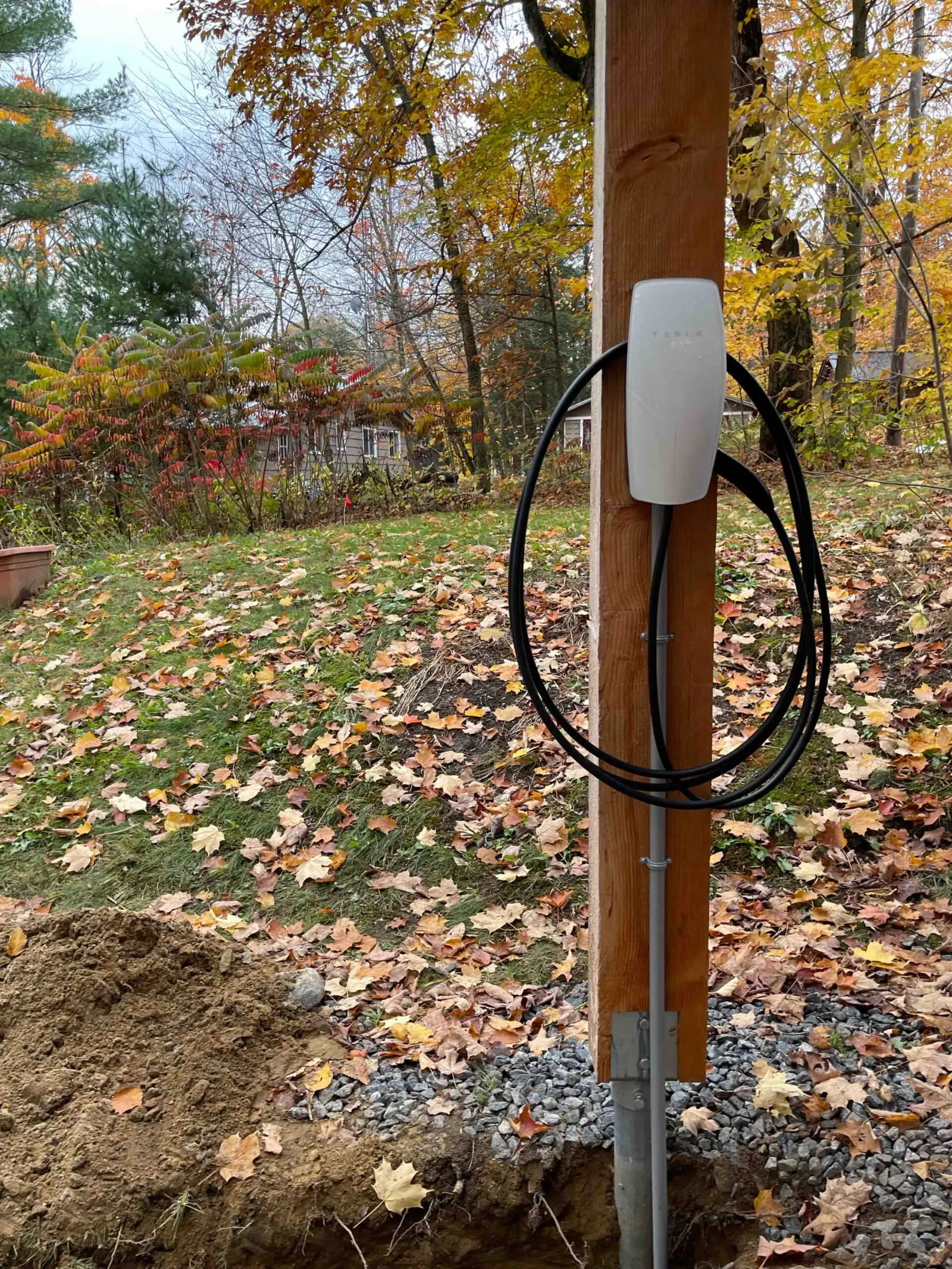
Absolutely. Residential solar systems can generate clean electricity for compatible Level 2 home EV chargers, helping reduce transportation energy costs.
10- How much roof space do I need?
The required roof area depends on your desired system size and electricity consumption. During a site assessment, your installer will determine how much available roof space is needed.
11- Do I need battery storage?
Not necessarily. Many homeowners benefit from a grid-connected solar system without batteries, while others choose battery storage for backup power and increased energy independence.
12- What maintenance is required?
Residential solar systems require minimal maintenance. Occasional cleaning and periodic inspections help ensure optimal long-term performance.
GALLERY